
Planning a visit to Raja Ampat requires understanding its unique weather patterns. From October’s transition to April’s calm seas, each month offers distinct diving and snorkeling conditions. Explore our comprehensive month-by-month guide to make the most of your journey.
Understanding Raja Ampat Weather
Located in the heart of the Coral Triangle, Raja Ampat is a diver’s paradise. The weather here is mainly influenced by the monsoonal winds, creating distinct wet and dry seasons. Knowing when to visit can significantly enhance your experience, especially if you’re considering a private yacht charter.
October: Transition to Dry Season
October marks the beginning of the dry season in Raja Ampat, with winds shifting from the northwest. This month is ideal for those looking to enjoy improving diving conditions without the peak season crowds. As a shoulder month, October offers excellent visibility, often reaching 25 to 40 metres.
November to March: Optimal Diving Conditions
The period from November to March is considered the best time for diving and snorkeling in Raja Ampat. During these months, the seas are calm, and water visibility is at its peak. December to March also sees increased manta ray activity, making it an unforgettable experience for marine enthusiasts. While December and January experience heavy tropical rains, they remain popular due to the lively underwater life. February is often favoured by experienced divers for its stability and clarity.
December to January: Peak Manta Season
Despite being part of the dry monsoon, December and January are known for heavy afternoon showers. However, these months are also peak times for manta ray sightings, attracting many visitors. It’s a high tourist season, so booking a luxurious yacht itinerary well in advance is advisable.
February: A Diver’s Sweet Spot
February stands out as the clearest and most stable month for diving in Raja Ampat. With optimal conditions, it is ideal for those seeking a serene underwater experience. The combination of calm seas and high visibility makes it a favourite among seasoned divers.
March to April: Shoulder Months with Value
As the dry season continues, March and April offer excellent diving conditions with fewer crowds. April, in particular, is a shoulder month, providing good value for those looking to explore the region on a budget. The seas remain calm, and visibility is consistently high.
May: Onset of the Wet Season
May signals the transition to the wet season, with increasing winds and occasional rain. While some trips remain feasible, conditions begin to change, making this month less predictable. For those willing to take a chance, May can offer a unique, less crowded experience.
June to September: The Wettest Months
The months from June to September are characterized by stronger southeast trade winds and increased rainfall. Visibility drops to 15 to 25 metres, and rough sea conditions can pose challenges for small boat travel. However, these months can still be rewarding for experienced visitors seeking solitude.
Raja Ampat Marine Biodiversity
Raja Ampat is renowned for its exceptional marine biodiversity. Home to over 1,500 species of fish and 600 types of coral, it is considered one of the most biodiverse marine habitats on the planet. This rich biodiversity is a major draw for divers and marine biologists seeking to explore its lively underwater ecosystems.
Local Culture and Traditions
The local communities in Raja Ampat are predominantly Papuan, with a rich cultural heritage. Visitors can experience traditional music, dance, and crafts, offering a glimpse into the unique cultural tapestry of the region. Engaging with local traditions adds a meaningful layer to any Raja Ampat adventure.
Key Climatic Facts
- Air temperature: consistently 25–32°C with humidity around 80–85%.
- Ocean temperature: warm year-round at approximately 29°C (84°F).
- Rainfall: no month is completely rain-free; heaviest in December and January.
- Visibility: highest in the dry season, with nutrient-rich areas offering less visibility but abundant marine life.
- Manta activity: peaks from December to March, visible October through April in northern areas.
For those planning a visit, it’s crucial to consider these climatic nuances, particularly when organizing a luxury yacht charter to ensure a seamless and memorable experience.
2027 Note
As of 2027, there have been no significant changes in Raja Ampat’s weather patterns. However, climate variability can cause slight deviations, so keeping abreast of local forecasts is recommended.
Essential Packing Guide for Raja Ampat Yacht Charters
Preparing for a yacht charter in Raja Ampat requires thoughtful packing to ensure comfort and convenience amidst the region’s tropical climate and marine adventures. Here are key items to consider:
- Lightweight Clothing: Opt for breathable, quick-drying fabrics suitable for warm weather. Consider packing long-sleeved shirts and trousers for sun protection and cooler evenings.
- Swimwear and Dive Gear: Bring multiple swimsuits and, if desired, personal snorkelling or diving equipment. Although most charters provide gear, personal items ensure a perfect fit.
- Sun Protection: High SPF sunscreen, hats, and sunglasses are essential to protect against the intense equatorial sun.
- Footwear: Pack flip-flops for the yacht and sturdy sandals or water shoes for island excursions.
- Waterproof Bag: Useful for keeping personal items dry during water activities or unexpected rain showers.
- Medications and First Aid: Ensure you have any personal medications, along with a basic first aid kit for minor injuries or ailments.
Navigating Raja Ampat’s Permits and Regulations
When planning a yacht charter in Raja Ampat, understanding the necessary permits and regulations is crucial for a seamless experience. Here are the key points to note:
- Marine Park Permit: All visitors must obtain a marine park permit, which costs approximately IDR 1,000,000 or USD 65-70. This fee supports conservation efforts and the maintenance of the park’s biodiversity.
- Entry Points: Charters typically commence from Sorong, the main starting point to Raja Ampat. Ensure all travel documents and permits are in order before departure.
- Environmental Guidelines: Visitors are expected to adhere to strict environmental guidelines to preserve the pristine nature of the marine park. This includes avoiding single-use plastics and respecting marine life.
- Local Customs and Traditions: While exploring local villages, guests should respect local customs and traditions, which may include dress codes and behaviour in sacred areas.
Adhering to these permits and regulations ensures a responsible and rewarding visit, contributing to the sustainability of Raja Ampat’s extraordinary natural and cultural heritage.
Yacht Charter Options and Accommodation Tiers
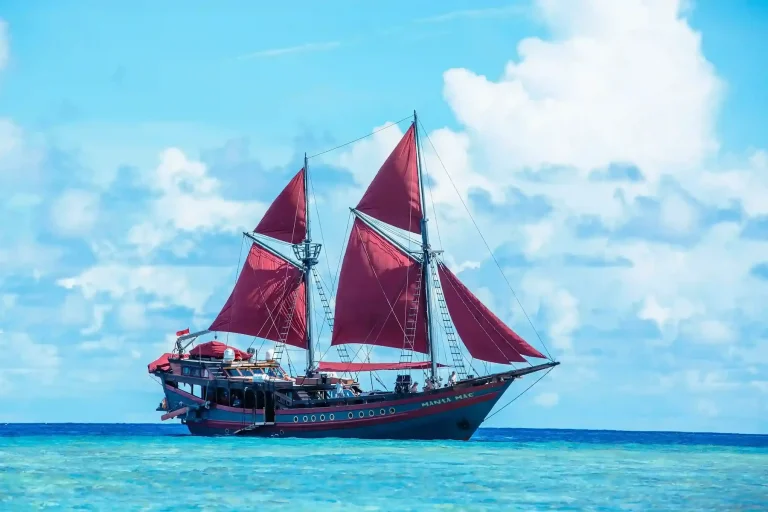
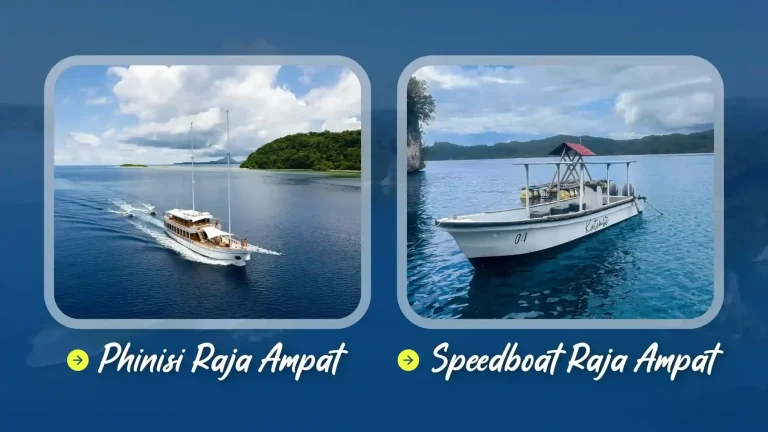
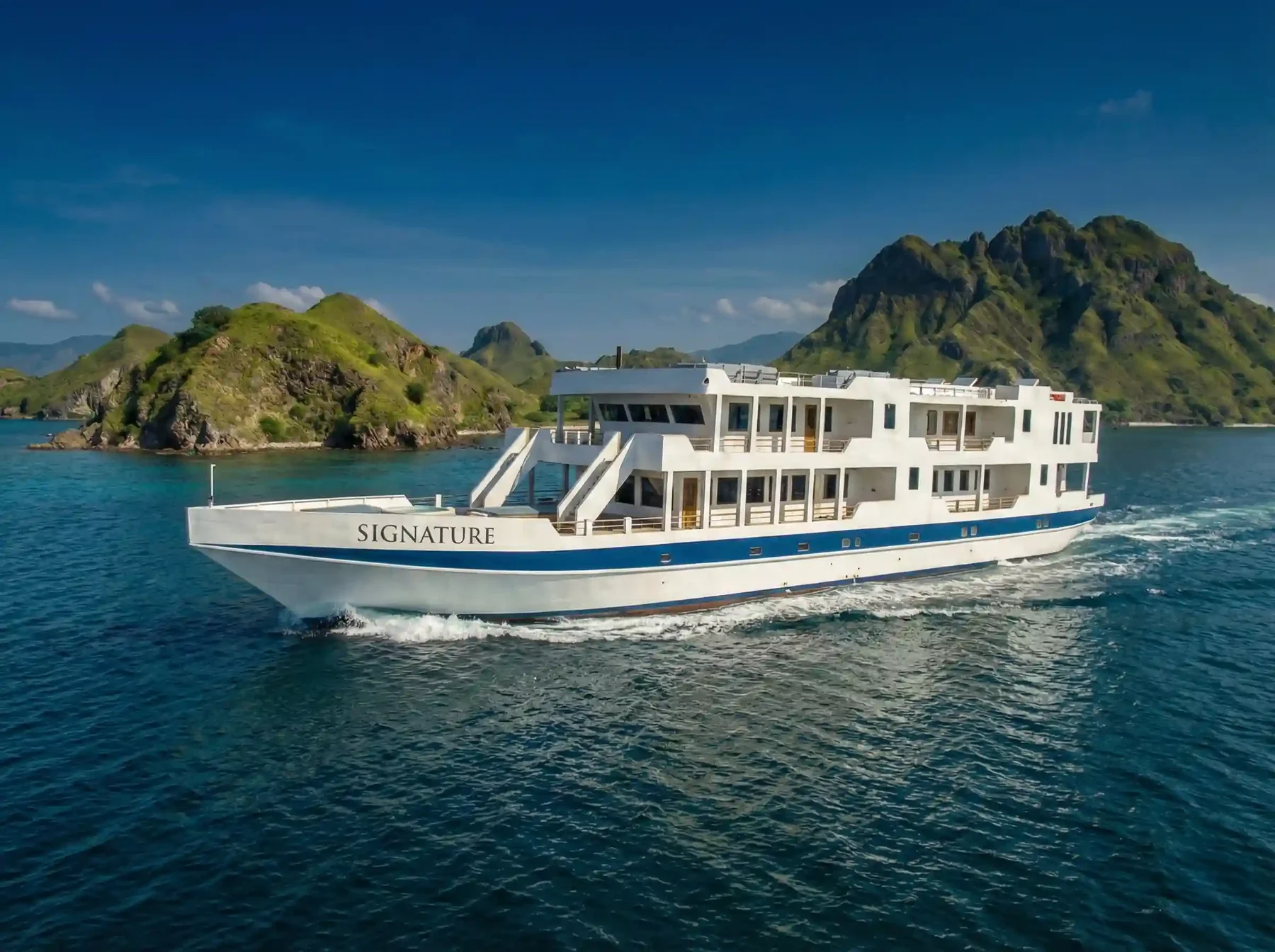
Exploring the diverse marine landscapes of Raja Ampat is best experienced aboard a luxurious yacht or liveaboard, offering a unique blend of comfort and adventure. There are several vessels available for charters, each catering to different preferences and budgetary considerations.
- Smart Charters: Priced between approximately USD 350-500 per guest per night, these options include vessels like Dewi Nusantara and offer excellent value without compromising on essential comfort and guided experiences.
- Luxury Charters: Falling within the USD 800-1200 range, yachts such as Prana and Amandira provide enhanced amenities, gourmet dining, and more personalised service.
- Superyacht Charters: With rates from USD 1500-2500+ per guest per night, vessels such as Lamima and Dunia Baru offer the pinnacle of luxury with expansive suites, bespoke itineraries, and premium provisions.
Each charter embarks from Sorong (SOQ), ensuring a seamless start to your nautical journey through the archipelago’s pristine waters.
Key Diving Sites in Raja Ampat
Raja Ampat is renowned for its exceptional diving sites, each offering a unique glimpse into the region’s lively marine biodiversity. If you a novice diver or an experienced enthusiast, these sites promise unforgettable underwater experiences:
- Wayag: Known for its iconic karst islands and azure lagoon, Wayag offers stunning coral gardens and a variety of marine life.
- Dampier Strait: A favoured spot for drift diving, this site is home to schools of fish, manta rays, and occasional shark sightings.
- Cape Kri: Famous for its record-breaking biodiversity, divers can expect encounters with barracudas, trevallies, and colourful reef fish.
- Manta Sandy: As the name suggests, this site is a prime location for swimming alongside striking manta rays.
- Boo Windows: Notable for its unique rock formations with swim-throughs, divers can explore the rich marine life that resides here.
These sites, amongst others in the region, provide divers with the opportunity to witness the exceptional beauty and diversity of Raja Ampat’s underwater world.
Raja Ampat remains a year-round destination, but choosing the right time can enhance your adventure. Whether diving amidst manta rays or enjoying less frequented waters, planning can make all the difference. To ensure a flawless trip, plan your private charter on WhatsApp today and set out on an exceptional journey.
Frequently asked questions about Raja Ampat weather and charter conditions
Does rain ruin a Raja Ampat yacht charter?
Rarely. No month in Raja Ampat is completely dry, and rain typically arrives as an afternoon shower rather than an all-day system. Diving is largely unaffected, and October to April remains the calm charter window regardless of rainfall totals. December and January are the wettest months yet still among the most sought-after, because manta activity through the northern sites is at its strongest.
Which months are the roughest for sailing in Raja Ampat?
June to September, when the southeast trade winds build and both sea state and underwater visibility drop. Small-boat transfers become uncomfortable and exposed sites are harder to reach on a reliable schedule. If your dates are fixed inside that window we bias the route toward sheltered water. It is precisely why the prime charter season is quoted as October to April.
Why does the whale shark window fall outside Raja Ampat’s calm season?
Because the whale sharks are in Cenderawasih Bay, east of the Bird’s Head, and that bay runs on its own weather. Its prime months are July to October, precisely when the southeast trades leave Raja Ampat’s own sailing least settled, so the two windows sit on opposite sides of the year. Reached via Manokwari or Nabire, Cenderawasih works as an extension rather than a detour, so allow extra nights for the transit.
When is Triton Bay and Kaimana at its best?
October to April, the same broad window as Raja Ampat itself. Triton Bay and Kaimana are known for dense soft coral and for whale sharks around Namatota and the Iris Strait, and the area lies roughly two sailing days from Misool. Adding it converts a standard week into a longer southern itinerary, so settle the number of nights before booking flights.