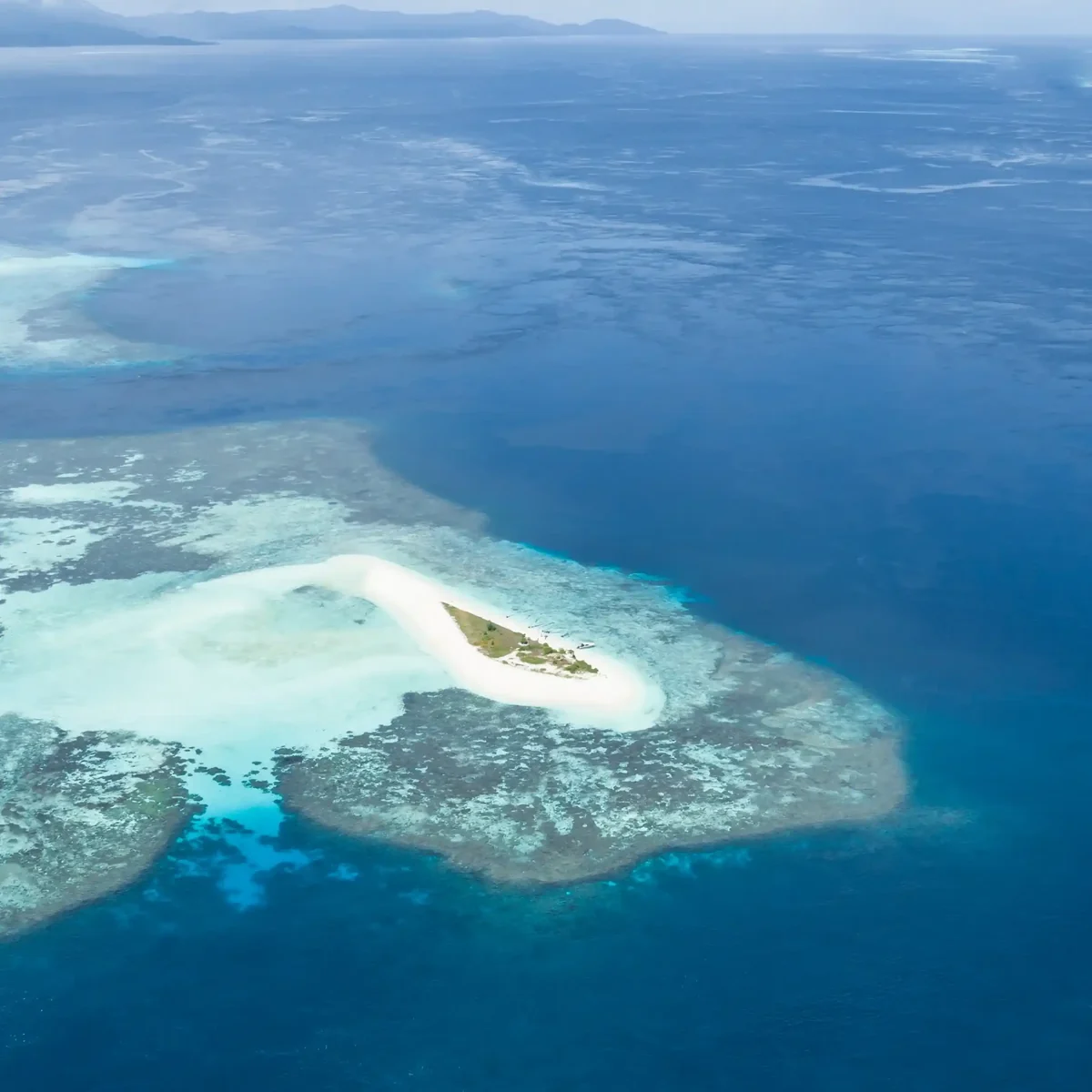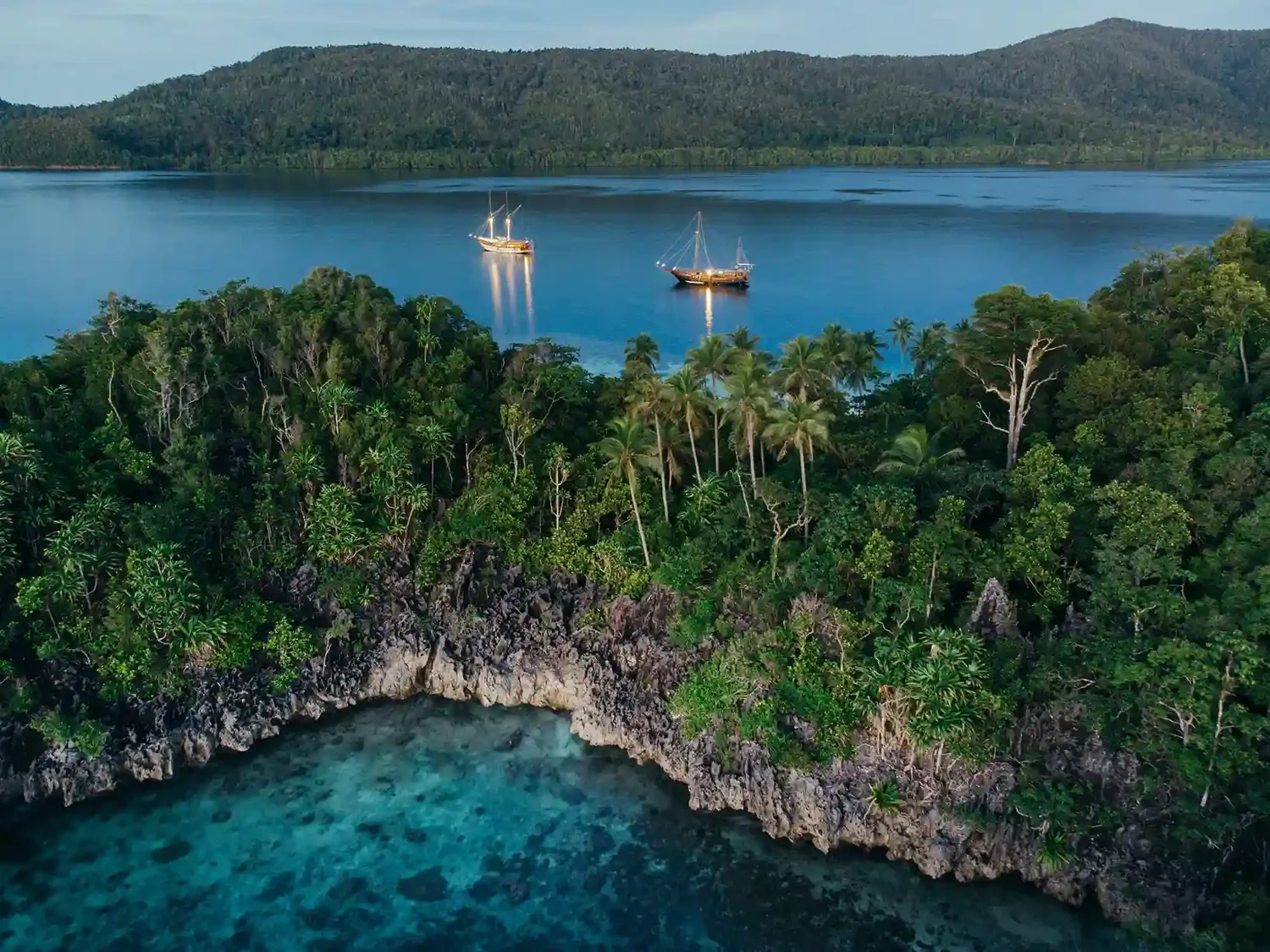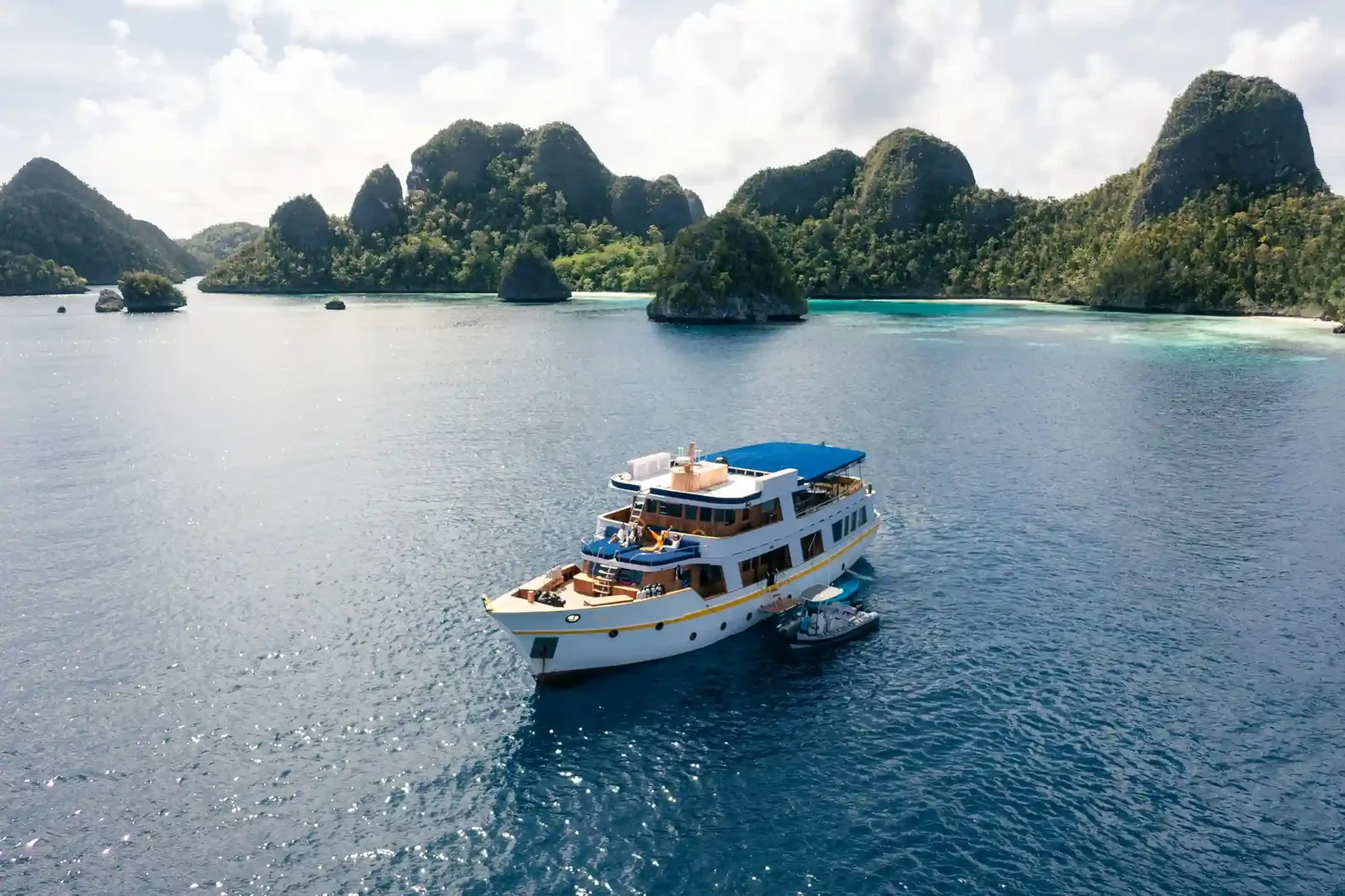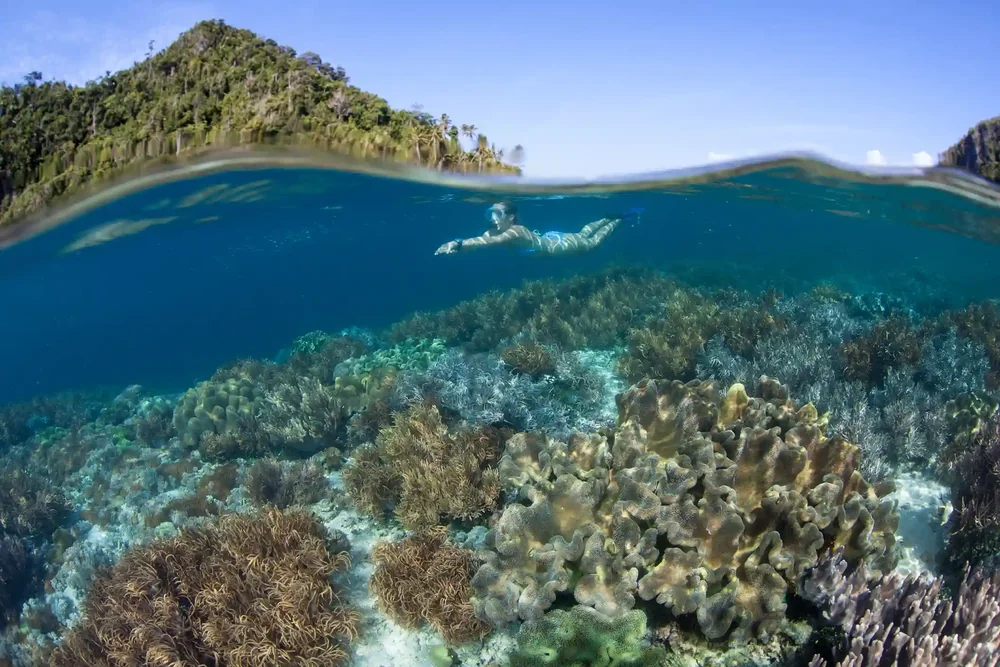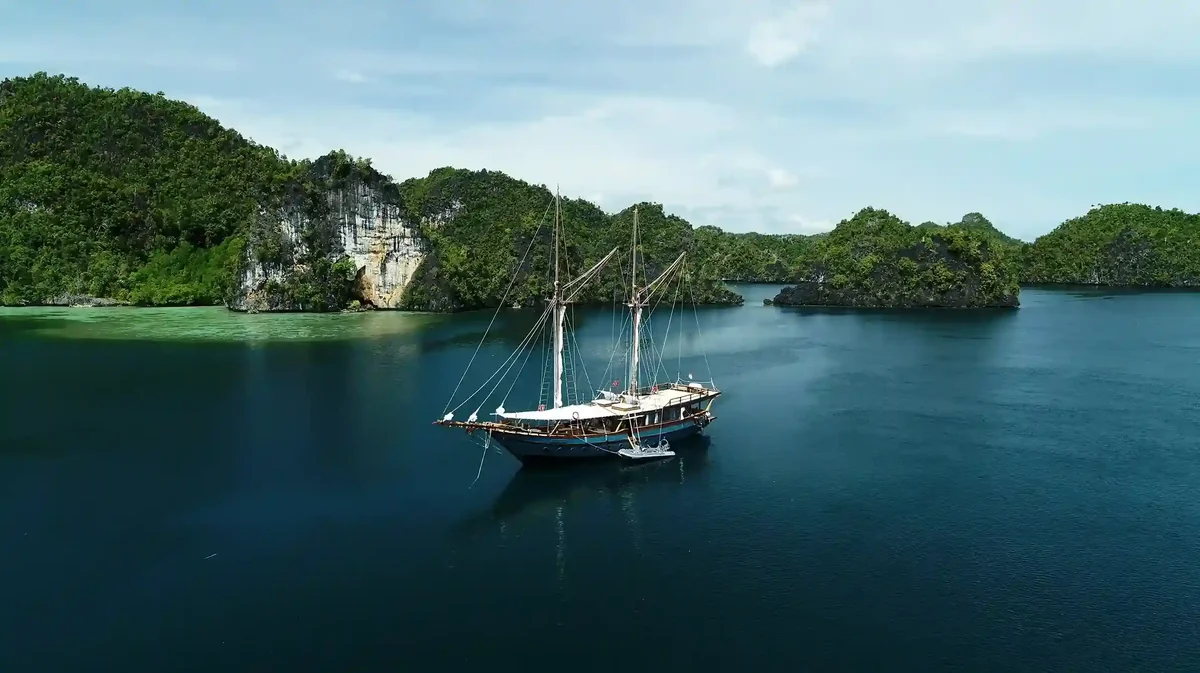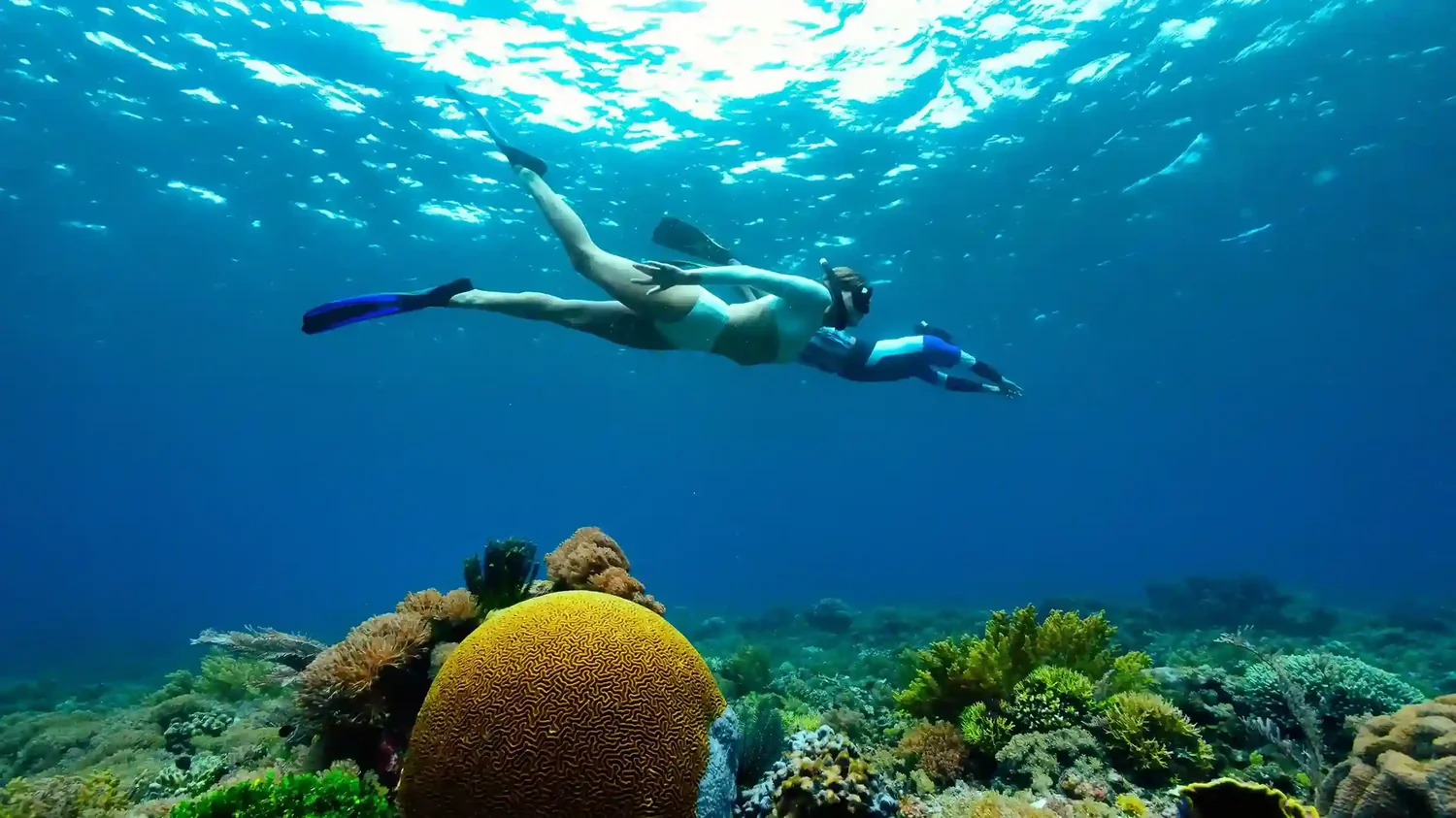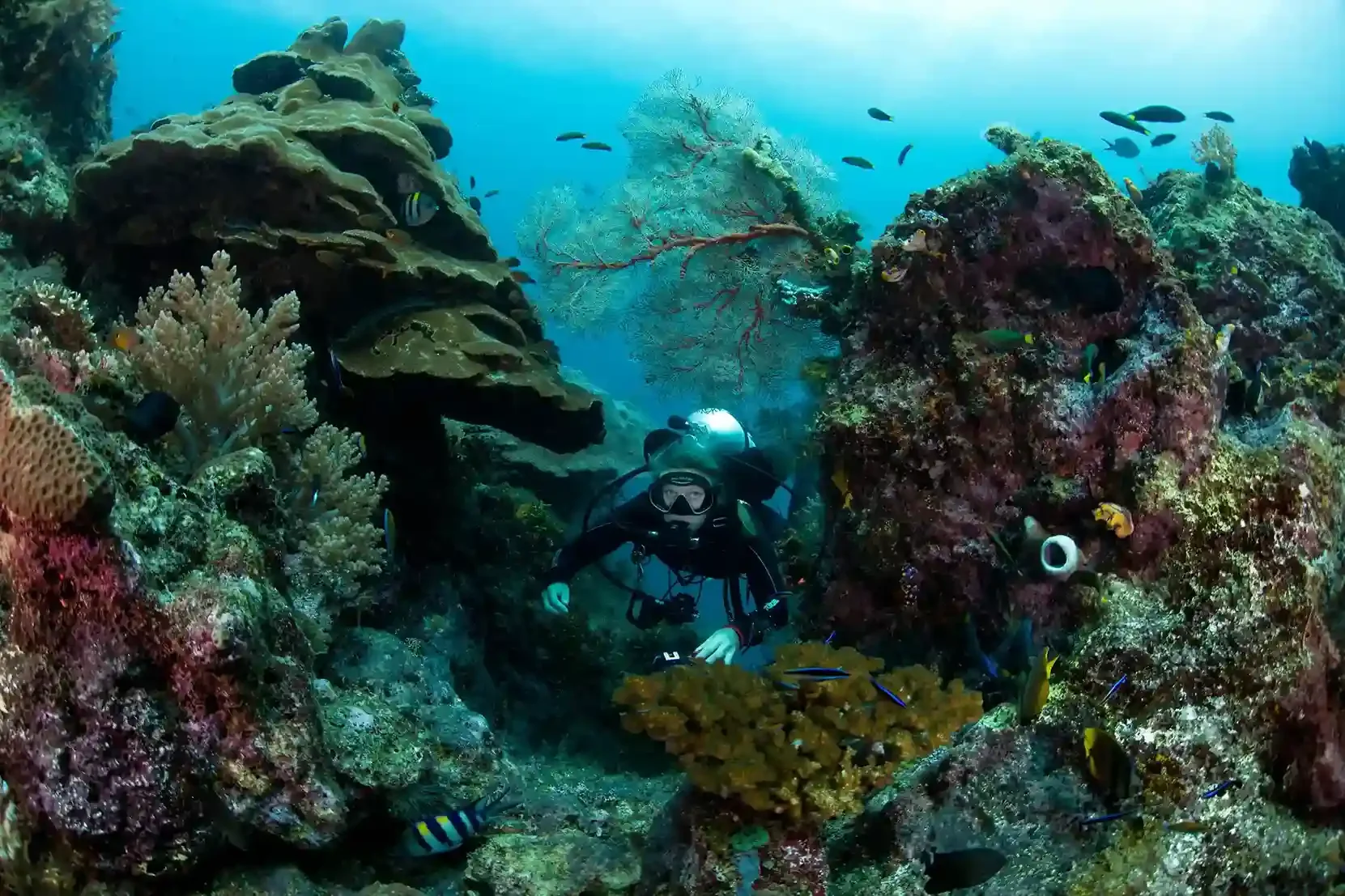
Explore Raja Ampat destinations, a premier archipelago in Indonesia, known for its stunning islands, lively reefs, and unique cultural experiences. Fly to Sorong (SOQ), and with a marine park permit (~IDR 1,000,000/~USD 65-70), delve into iconic sites like Cape Kri, Manta Sandy, and Misool. The best season to visit is between October and April.
Core Raja Ampat Regions & Sights
| Region / Site | Location | Known For | Concrete Details |
|---|---|---|---|
| Dampier Strait | Between Waigeo & Batanta | Highest marine biodiversity; iconic dive sites | Depth: 10–40m; Currents: moderate to strong; Species: 1,300+ reef fish, 5 turtle species, dugong |
| Cape Kri | Dampier Strait | Record-breaking fish density | 372 fish species in one dive; Depth: 5–30m |
| Manta Sandy | Dampier Strait | Manta ray cleaning station | Best: Dec–Mar; Depth: 15–25m; Current: gentle |
| Blue Magic | Dampier Strait | Volcanic pinnacle with pelagics | Depth: 10–45m; Strong currents; Sharks, jacks, mantas |
| Sardine Reef | Dampier Strait | Massive baitball formations | Depth: 5–20m; Current: moderate; Thousands of sardines |
| Mike’s Point | Dampier Strait | Steep wall with macro life | Depth: 5–35m; Current: variable; Crabs, nudibranchs |
| Chicken Reef | Dampier Strait | Shallow coral garden | Depth: 3–12m; Current: light; Colorful corals |
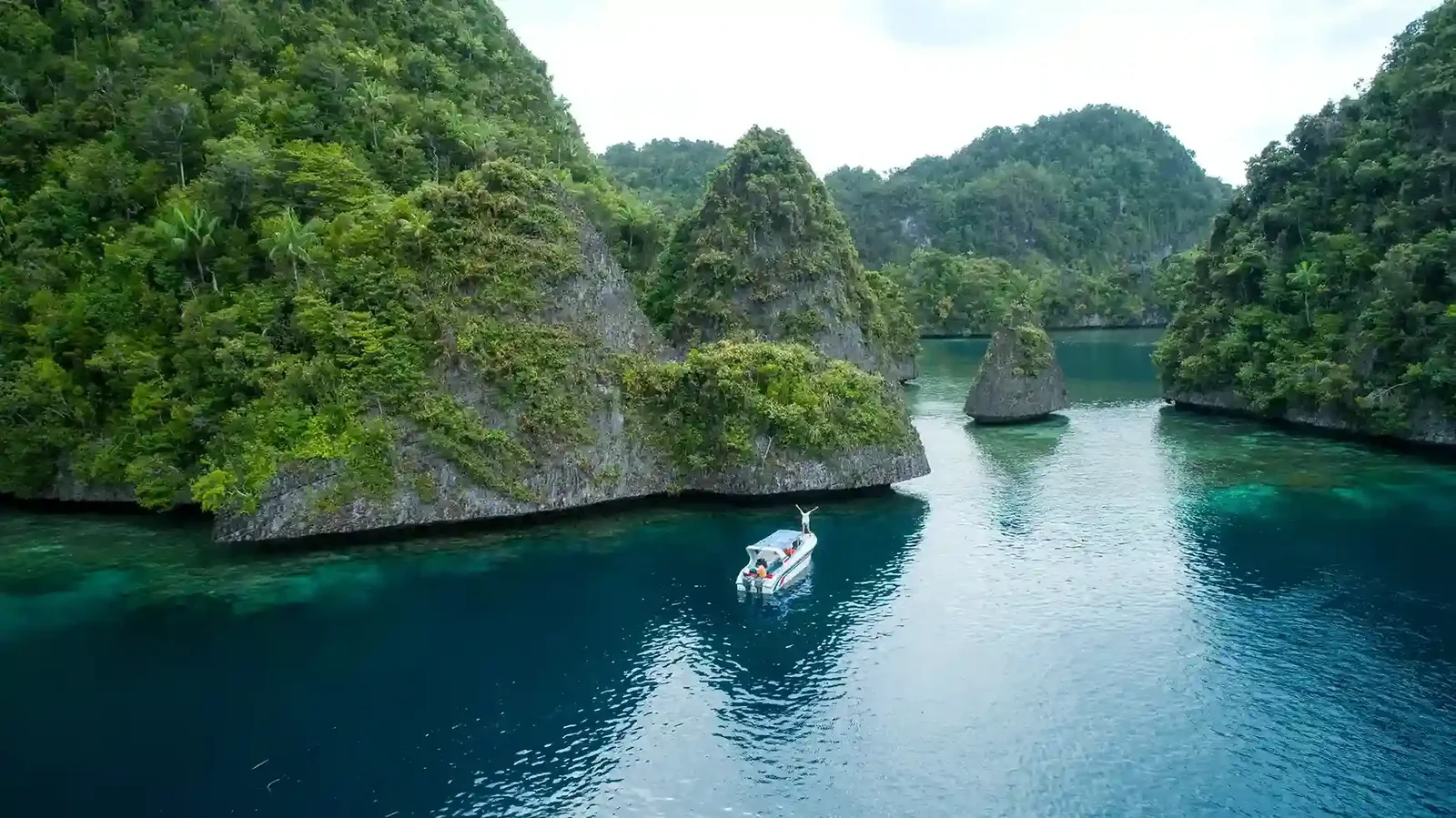
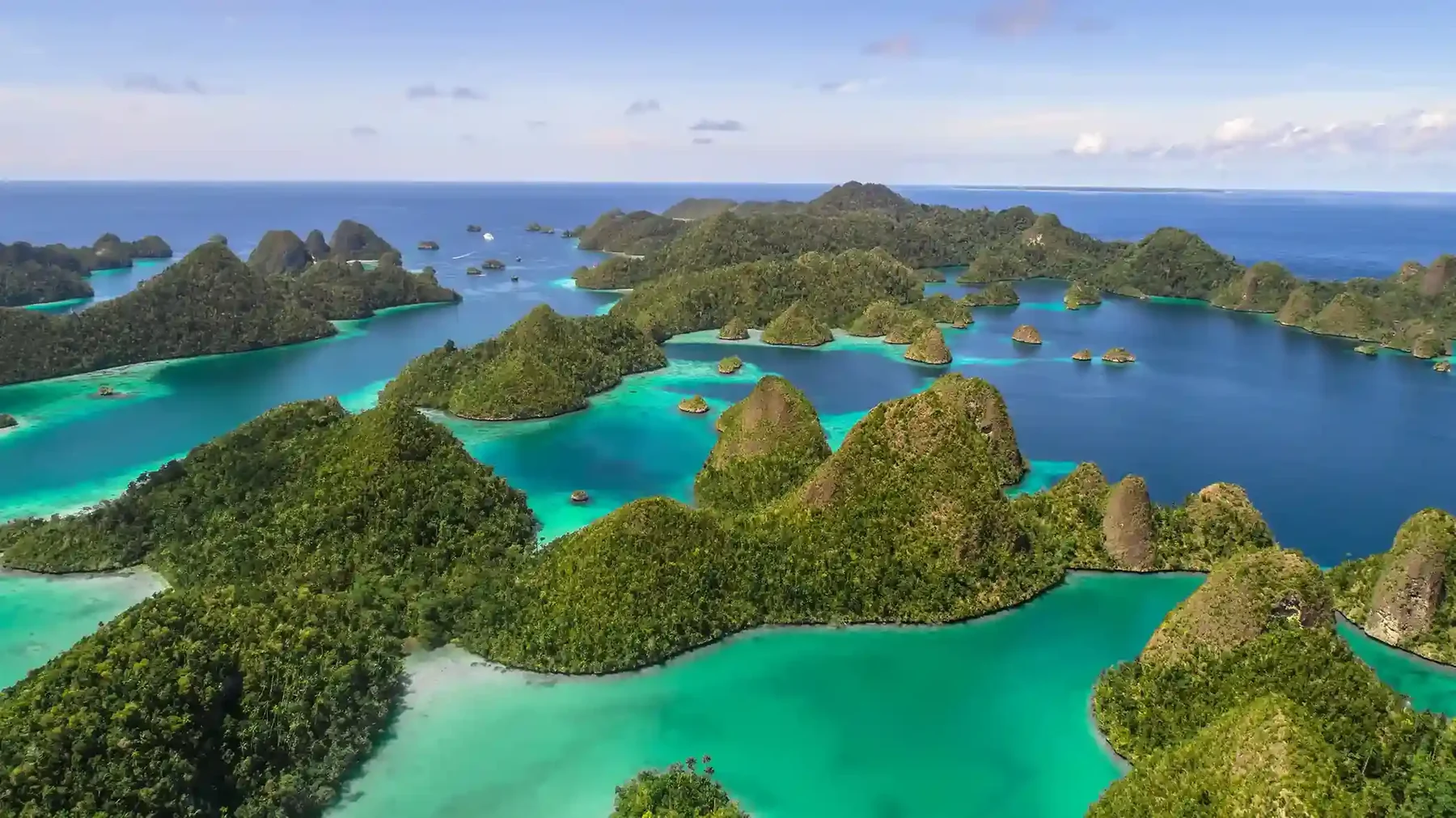
| Wayag | Northern Waigeo | Limestone karsts & hidden lagoons | Travel: 2–3 hrs from Waisai; Depth: 5–20m; No diving, only snorkeling |
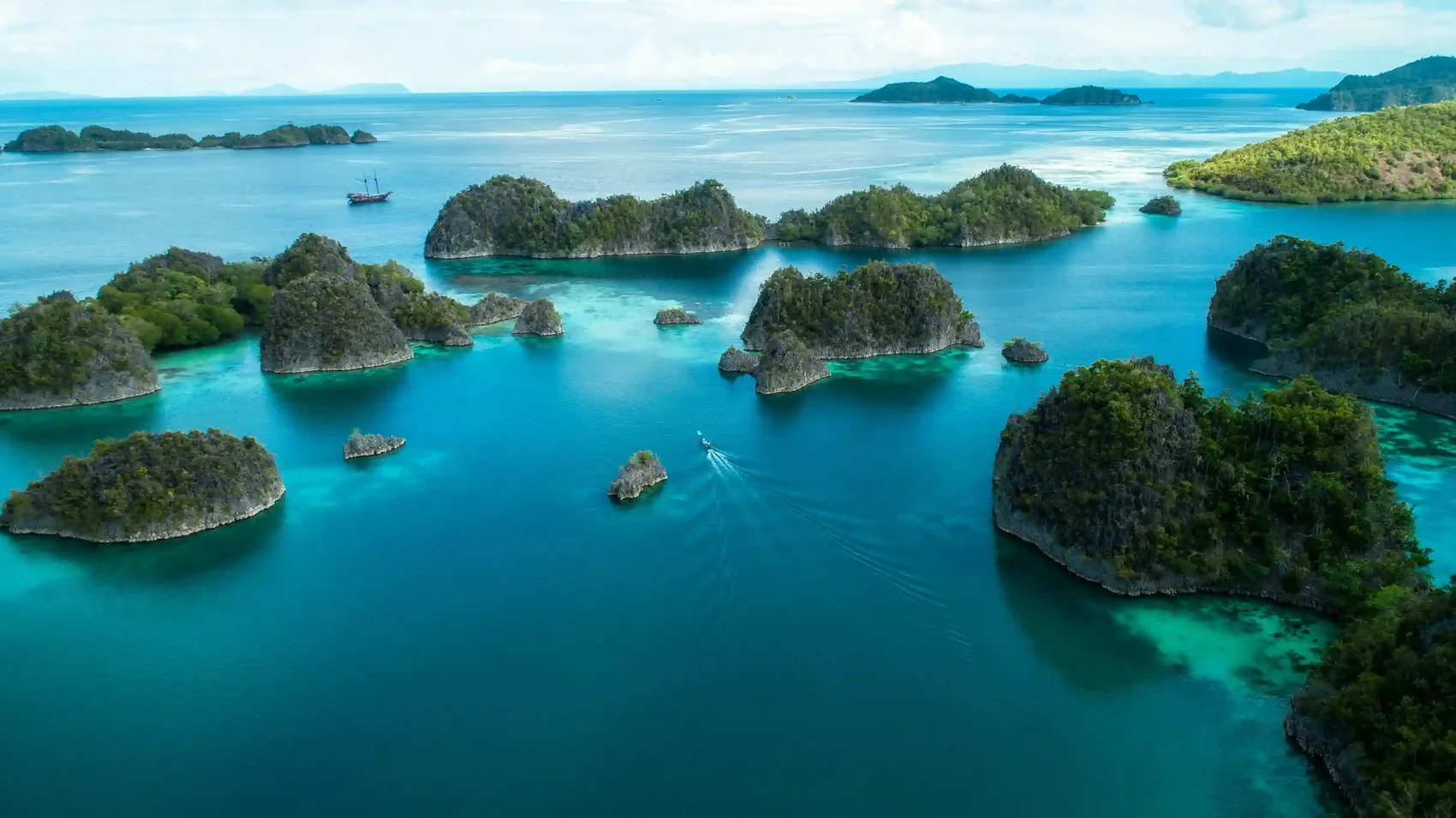
| Piaynemo | Northern Waigeo | Iconic viewpoint over karsts | Travel: 2 hrs from Waisai; Best sunrise/sunset |
| Kabui Bay | Near Wayag | Quiet lagoons & birdlife | Depth: 2–10m; Red bird of paradise sightings |
| Misool | Southern Raja Ampat | Boo Windows & deep walls | Travel: 4–5 hrs from Waisai; Depth: 10–60m; Strong currents |
| Boo Windows | Misool | Natural stone arches | Depth: 5–15m; Current: moderate; Unique geology |
| Magic Mountain | Misool | Pelagic hotspot | Depth: 10–50m; Sharks, mantas, jacks |
| Fiabacet | Misool | Shallow coral garden | Depth: 3–12m; Colorful fish, corals |
| Daram | Misool | Deep wall dive | Depth: 10–70m; Strong currents; Pelagics |
| Cendrawasih Bay | East of Raja Ampat | Whale shark feeding | Depth: 5–20m; Current: gentle; Year-round sightings |
Villages & Cultural Sites
- Arborek: Traditional village on Waigeo; boat-building culture
- Sawinggrai: Home of the red bird of paradise; cultural performances
- Sauwandarek: Remote fishing village with traditional Papuan life
Explore Raja Ampat with a Private Yacht
To truly immerse yourself in the wonders of Raja Ampat, consider a private yacht charter. With Luxury Raja Ampat, enjoy bespoke experiences tailored to your interests, whether it’s diving, snorkeling, or cultural exploration. Misool liveaboards offer deep dives in the south, while Cendrawasih Bay charters focus on whale shark encounters.
Recommended Itineraries
Raja Ampat is best explored over a minimum of four nights. Popular itineraries include:
- 4 nights: Focus on Dampier Strait’s top dive sites like Cape Kri and Manta Sandy.
- 7 nights: Combine Dampier Strait with a snorkeling trip to Wayag and Piaynemo.
- 10 nights: Explore Misool’s southern wonders and lively marine life.
- 11 nights: A comprehensive tour, including Cendrawasih’s whale sharks.
Practical Tips for Your Raja Ampat Adventure
How do I get to Raja Ampat?
Begin your journey by flying to Sorong (SOQ), the starting point to Raja Ampat. From Sorong, a private transfer or scheduled ferry can take you to Waisai, where your yacht charter awaits.
What should I pack for a trip to Raja Ampat?
Pack lightweight, quick-drying clothing, swimwear, reef-friendly sunscreen, and dive or snorkel gear if you prefer personal equipment. Don’t forget a waterproof camera to capture stunning underwater moments.
Is a marine park permit required?
Yes, all visitors need a marine park permit costing approximately IDR 1,000,000 (USD 65-70) per foreign visitor. This fee contributes to conservation efforts and sustainable tourism initiatives.
When is the best time to visit Raja Ampat?
October to April is the ideal season, with December to March offering the best chances to see manta rays. Whale sharks can be spotted year-round in Cendrawasih Bay.
Marine Biodiversity and Conservation in Raja Ampat
The Raja Ampat archipelago is renowned for its extraordinary marine biodiversity, often cited as the global epicentre for marine life. This region hosts over 1,500 species of fish and more than 500 species of coral, making it a vital area for marine conservation efforts. Understanding the local marine environment is crucial for visitors who wish to appreciate and protect this underwater paradise.
Efforts to preserve this biodiversity are led by several organisations, including the Raja Ampat Research and Conservation Centre (RARCC) and the Conservation International Indonesia. These entities work towards sustainable tourism practices that benefit local communities while ensuring the long-term health of marine habitats.
- Community Involvement: Local communities are actively involved in conservation programmes, providing opportunities for cultural exchange and education.
- Marine Protected Areas: The establishment of Marine Protected Areas (MPAs) has been instrumental in safeguarding vulnerable species and habitats.
- Research Initiatives: Ongoing research projects focus on coral health, fish population dynamics, and the impact of climate change.
Gastronomy and Culinary Experiences on Board
Raja Ampat yacht charters offer a unique opportunity to indulge in exquisite culinary creations while surrounded by the region’s stunning natural beauty. Each vessel’s culinary team is adept at crafting dishes that highlight local ingredients and international flavours, ensuring a memorable dining experience.
Guests can expect a menu that features freshly caught seafood, organic produce from local markets, and traditional Indonesian spices. The chefs aboard vessels such as Lamima and Dunia Baru pride themselves on their ability to cater to a wide range of dietary preferences and requirements, making every meal an event to anticipate.
Some culinary highlights include:
- Fresh Seafood: Enjoy daily catches prepared in both traditional and contemporary styles, including sashimi and satay.
- Indonesian Specialties: Dishes such as nasi goreng and rendang offer a taste of local cuisine.
- International Cuisine: Themed dining nights might feature Italian, French, or Asian fusion menus.
Photography Opportunities in Raja Ampat
Raja Ampat is a photographer’s dream, offering a plethora of opportunities to capture its lively landscapes and diverse marine life. The region’s pristine environment provides the perfect backdrop for both amateur and professional photographers.
With a private yacht charter, guests have the flexibility to visit iconic locations at optimal times, such as sunrise at Piaynemo or sunset over Wayag. Underwater photography enthusiasts will find the coral gardens and abundant marine life of sites like Manta Sandy and Cape Kri a visual feast.
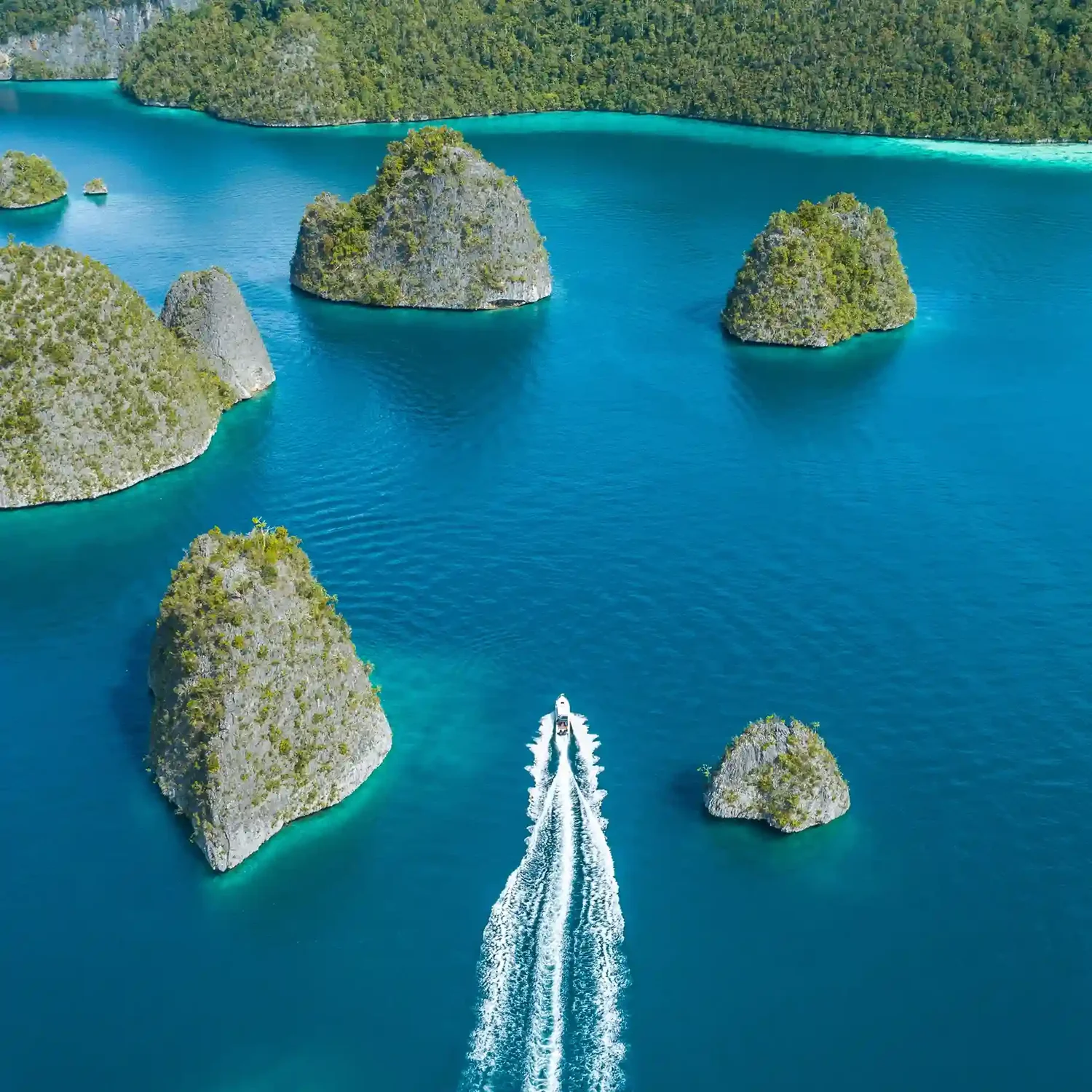
- Drone Photography: Capture aerial views of the archipelago’s dramatic limestone formations and turquoise waters.
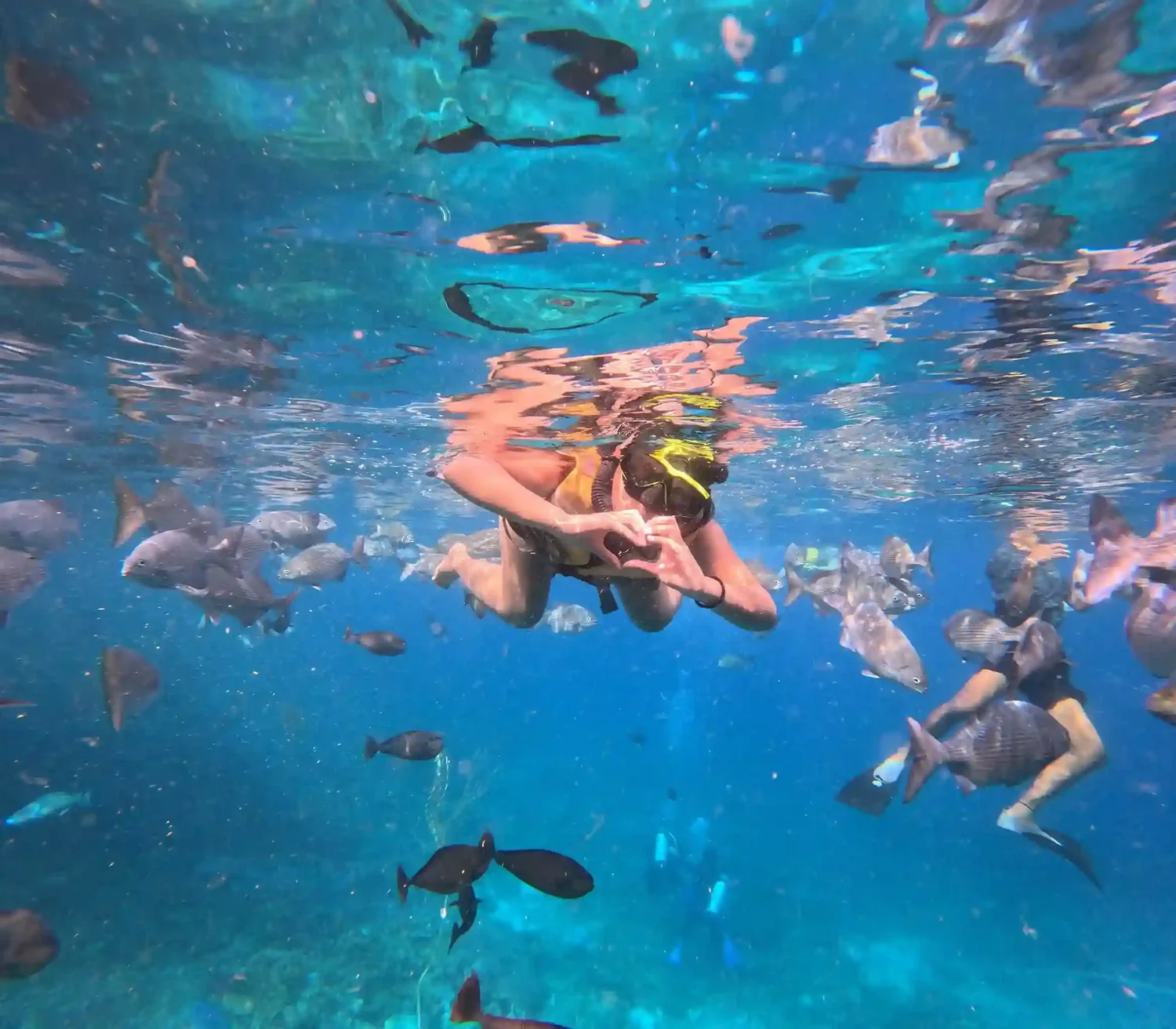
- Underwater Photography: The clear waters offer excellent visibility for photographing schools of fish, lively corals, and larger marine species.
- Wildlife Photography: Beyond the marine life, the islands are home to endemic bird species such as the Wilson’s bird-of-paradise.
Many yacht charters, such as those aboard the Amandira, provide equipment and guidance for guests looking to enhance their photography skills during their voyage.
Wildlife Encounters Beyond the Reef
Raja Ampat is renowned not only for its underwater wonders but also for its diverse terrestrial wildlife. The islands provide a unique opportunity to observe a range of species that contribute to the region’s rich biodiversity.
Birdwatchers will find Raja Ampat particularly rewarding. The archipelago is home to several endemic bird species, including the stunning Wilson’s Bird-of-Paradise and the iconic Red Bird-of-Paradise. Early morning excursions into the rainforest can yield sightings of these and other avian wonders.
- Wilson’s Bird-of-Paradise: Known for its lively colours and elaborate courtship displays.
- Red Bird-of-Paradise: Often spotted dancing on the tree branches at dawn.
- Blyth’s Hornbill: A striking bird with a distinctive casque, commonly seen in flight.
In addition to birds, the islands’ forests and mangroves are habitats for various reptiles and mammals. Tree kangaroos and cuscuses are elusive but rewarding finds for those fortunate enough to encounter them during guided treks.
Customised Diving Experiences in Raja Ampat
For diving enthusiasts, Raja Ampat offers tailored diving experiences that cater to varying skill levels and interests. The region’s sheer diversity of dive sites ensures that both novice and seasoned divers find ample opportunity to explore its underwater marvels.
Charter yachts provide specialised dive guides and equipment to ensure a bespoke experience. Divers can expect to encounter thriving coral gardens, dramatic drop-offs, and unique marine species at sites like Cape Kri and Manta Sandy.
- Beginners: Gentle currents at sites like Arborek make it ideal for introductory dives.
- Advanced: The currents of the Dampier Strait are perfect for drift diving, offering thrilling encounters with large pelagics.
- Photography: Fiabacet and Boo Windows provide stunning underwater topography, ideal for capturing striking images.
Moreover, night dives introduce the chance to witness nocturnal marine life, with bioluminescent organisms lighting up the darkness. Dive charters ensure safety and individualised experiences, making each dive memorable.
For an unforgettable journey through these diverse Raja Ampat itineraries, plan your Raja Ampat charter on WhatsApp.