
Yes — booked through an established specialist, a Raja Ampat yacht charter is a safe, highly supervised way to explore one of the world’s most remote marine parks. Safety here rests on four pillars: vetted vessels with professional crews, conservative dive protocols, the marine park’s permit and oversight system, and sailing in the right season. This desk is operated by Komodo Luxury, established 2015, with 800+ voyages across the network.
How Are Vessels and Crews Vetted?
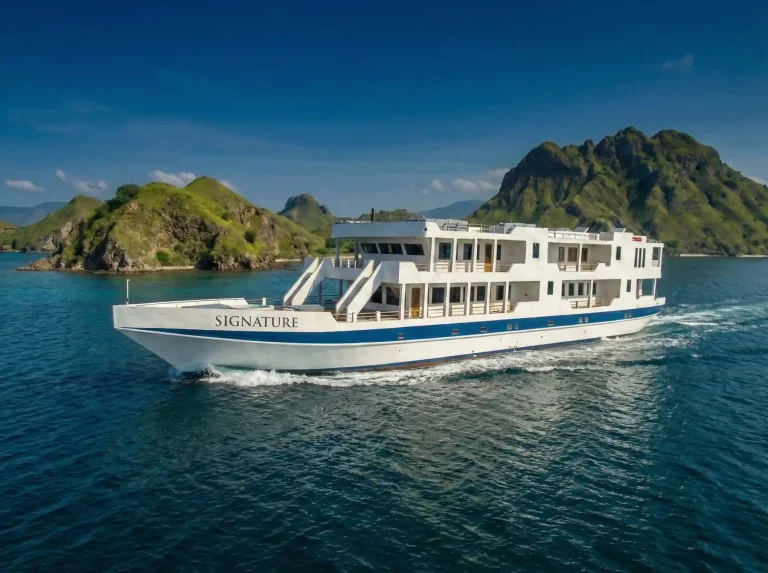
The partner fleet network behind this site — nine owned vessels plus vetted partner vessels curated by Komodo Luxury — spans entry phinisi to flagship yachts such as Lamima and Prana by Atzaró, and every one operates with a full professional crew: licensed captain, engineers, dive team and chef. Guests never need sailing experience. Vessels working Raja Ampat carry modern navigation and communications — GPS, satellite links and weather routing — because the distances demand it, and maintenance schedules are part of what separates a charter-grade vessel from a cheap berth. When we match a group to a boat, crew record and dive-team quality weigh as heavily as cabin count.
Vetting is also continuous rather than one-off. Because the same desk places guests on these vessels season after season, feedback loops are short: a crew change, a maintenance issue or a slipping standard shows up in the next debrief and shapes the next recommendation. That accumulated knowledge — which boats run tight dive decks, which chefs handle allergies faultlessly, which captains read the Dampier currents best — is the invisible half of charter safety, and it is not something a listings site can replicate.
What About Diving Safety?
Raja Ampat’s most famous sites are current-swept — that is why the fish are there — and the discipline around them is what keeps diving safe. Cape Kri, Blue Magic and Sardine Reef are dived at planned tide windows with briefings that cover entry, drift line and pickup; guides run small groups, and the tender follows surface marker buoys throughout. Managed sites show the same culture: Manta Sandy operates a queue-and-distance etiquette so cleaning stations stay undisturbed and divers stay organised. Night dives follow their own protocol — sheltered anchorage sites, marker lights and reviewed torch signals. Divers should carry insurance that covers diving, declare experience and medical conditions honestly, and expect guides to plan conservatively in a region this remote. Vessel setup matters too; our dive liveaboard guide explains what a serious dive deck looks like.
How Remote Is Raja Ampat, Really?
Honest answer: genuinely remote, and that is the point — but the remoteness is structured. Sorong is a working port city with daily jet connections, and the busiest charter grounds are closer to it than the map suggests: Arborek and the Dampier Strait sites lie roughly 53 nautical miles out, about eight hours’ cruising, so a vessel in the northern archipelago is never more than a night’s sail from the mainland. Itineraries are built as loops around Sorong rather than one-way runs into the blue, which means the fallback is always known. Guests should still treat the region with respect: hospital-grade care means returning to the mainland, which is exactly why crews plan conservatively and why insurance that covers diving and remote-area travel is non-negotiable. Arrival logistics are covered in our getting to Raja Ampat guide.
What Role Does the Marine Park System Play?
All visitors enter under the Raja Ampat Marine Park permit system — the entry pass currently runs around IDR 700,000–1,000,000 per person per year (verified August 2026, confirmed at booking) — and larger charters also pay cruising, anchorage and village fees along their route. This is more than paperwork: the fees fund conservation and community programmes, and the system means vessels operate in monitored, administered waters rather than an unregulated frontier, with patrols and checks at key anchorages. Details and current figures are on our marine park permit and fees page.
How Does Season and Weather Planning Protect You?
The prime season, October to April, brings the calm seas and settled anchorages that make Raja Ampat charters comfortable — and it is no accident that the large expedition vessels rotate into Raja Ampat for November to April, spending May to October in Komodo. Ocean crossings between the two regions happen only in the transition windows of April–May and October–November, planned around weather. Within Raja Ampat itself, captains hold the advantage of geography: the archipelago is full of sheltered water, and an itinerary can flex around a blow without losing its shape. Low-season charters run too — quieter, softer rates — with routing kept conservative. Matching the vessel to the season is part of the safety brief as much as the sales conversation: the right boat in the right month barely notices weather that would reshape a badly-timed trip.
How Does the Booking Process Protect You?
Working through a single specialist desk removes the grey areas that create risk. Your charter is confirmed with a transparent proposal and contract, and the same team — operated by Komodo Luxury since 2015 — coordinates everything end-to-end from Bali: flights into Sorong’s Domine Eduard Osok Airport (around four hours from Jakarta, with routes from Makassar and Manado), permits, provisioning and embarkation at Sorong harbour, Waisai or southern Misool. One point of contact before, during and after the voyage means nothing falls between vendors, and your itinerary, guest details and requirements sit with a team that has run this exact route hundreds of times. The step-by-step is on secure your charter.
What Should Guests Do Themselves?
- Arrive in Sorong the day before embarkation to absorb any flight delays.
- Carry travel insurance that explicitly covers scuba diving and remote-area travel.
- Declare medical conditions, medications and real dive experience during planning — itineraries are built around them.
- Follow crew briefings on deck and in the water; they are written for these specific reefs and tides.
- Respect park rules on wildlife distance and reef contact — the etiquette exists for you and the ecosystem.
FAQ
Is Raja Ampat safe for non-divers and families?
Yes. Charters are crewed end-to-end, and itineraries balance snorkelling, lagoon days, island walks and village visits with diving. Tell the desk your group’s swimmers and non-swimmers and the route is planned accordingly.
How do I know a vessel is reputable?
Book through a specialist with a track record: this desk is operated by Komodo Luxury, established 2015, with 800+ voyages across the network and direct relationships with the vessels it recommends.
What happens in an emergency at sea?
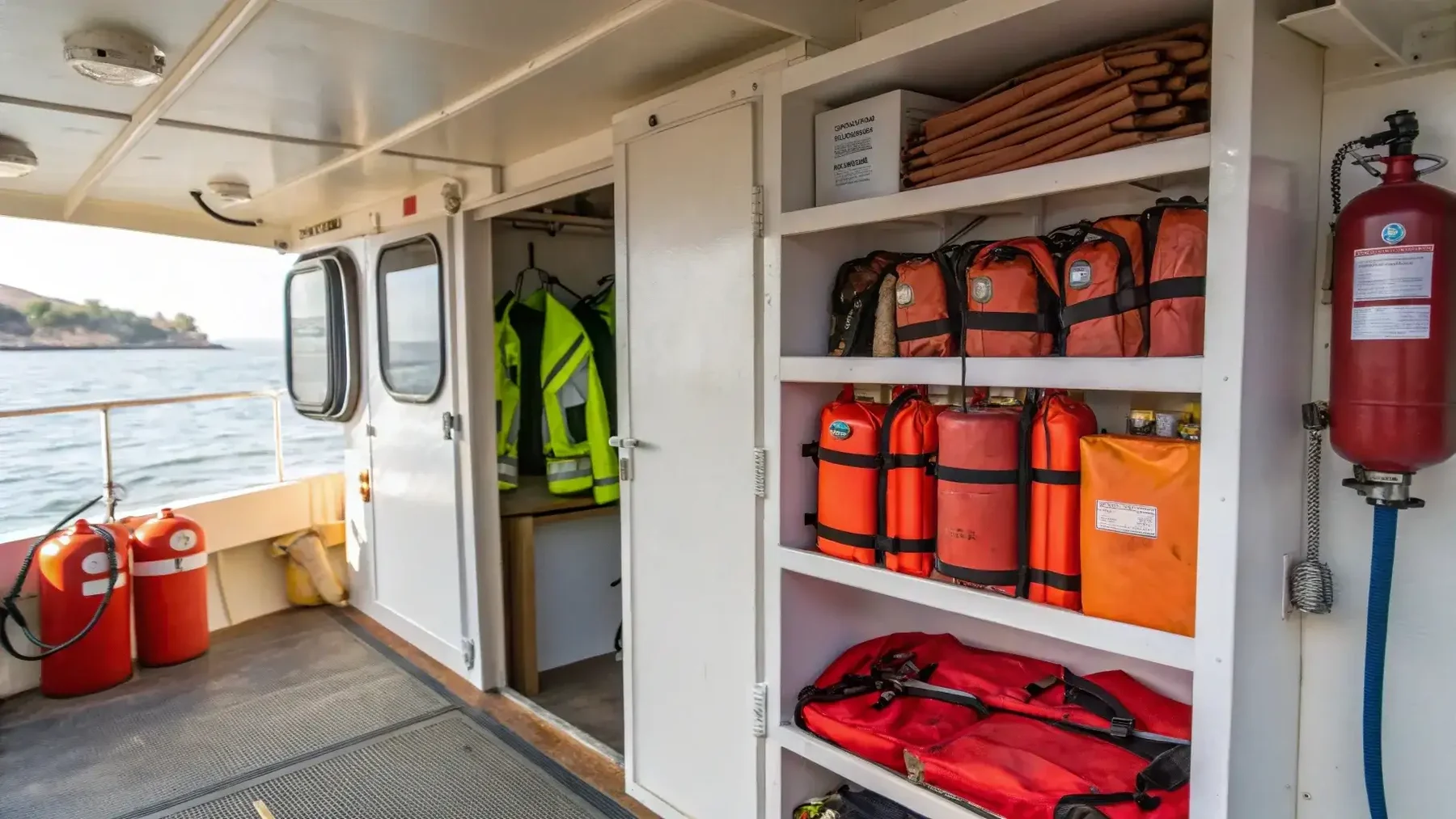
Vessels carry satellite communications and coordinate with park authorities and mainland services in Sorong; crews run safety briefings and drills, and itineraries keep sheltered fallback anchorages within reach. Remote-area insurance remains essential.
Do I need sailing or boating experience to charter?
None at all. Every charter in the partner fleet is fully crewed — captain, engineers, dive guides, chef and service team — and guests are briefed on the vessel’s safety layout on day one. Your job is to choose the route and enjoy it.
Want a candid read on the right vessel and season for your group? Message WhatsApp +62 811-3810-8110 or email sales@komodoluxury.com — the concierge desk will walk you through crew, route and conditions before you commit: plan my charter.