
You can experience the best of Raja Ampat without ever strapping on a tank. The karst lagoons of Wayag and Piaynemo, birds of paradise at dawn on Batanta, snorkeling over reefs that scientific surveys credit with more than 1,700 fish species, and village culture at Arborek all happen at or above the waterline — and a private charter is the most comfortable way to string them together.
Is Raja Ampat Worth It If You Never Dive?
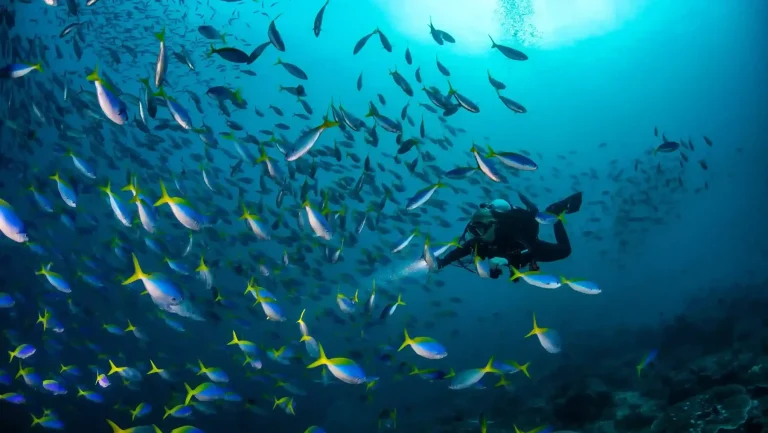
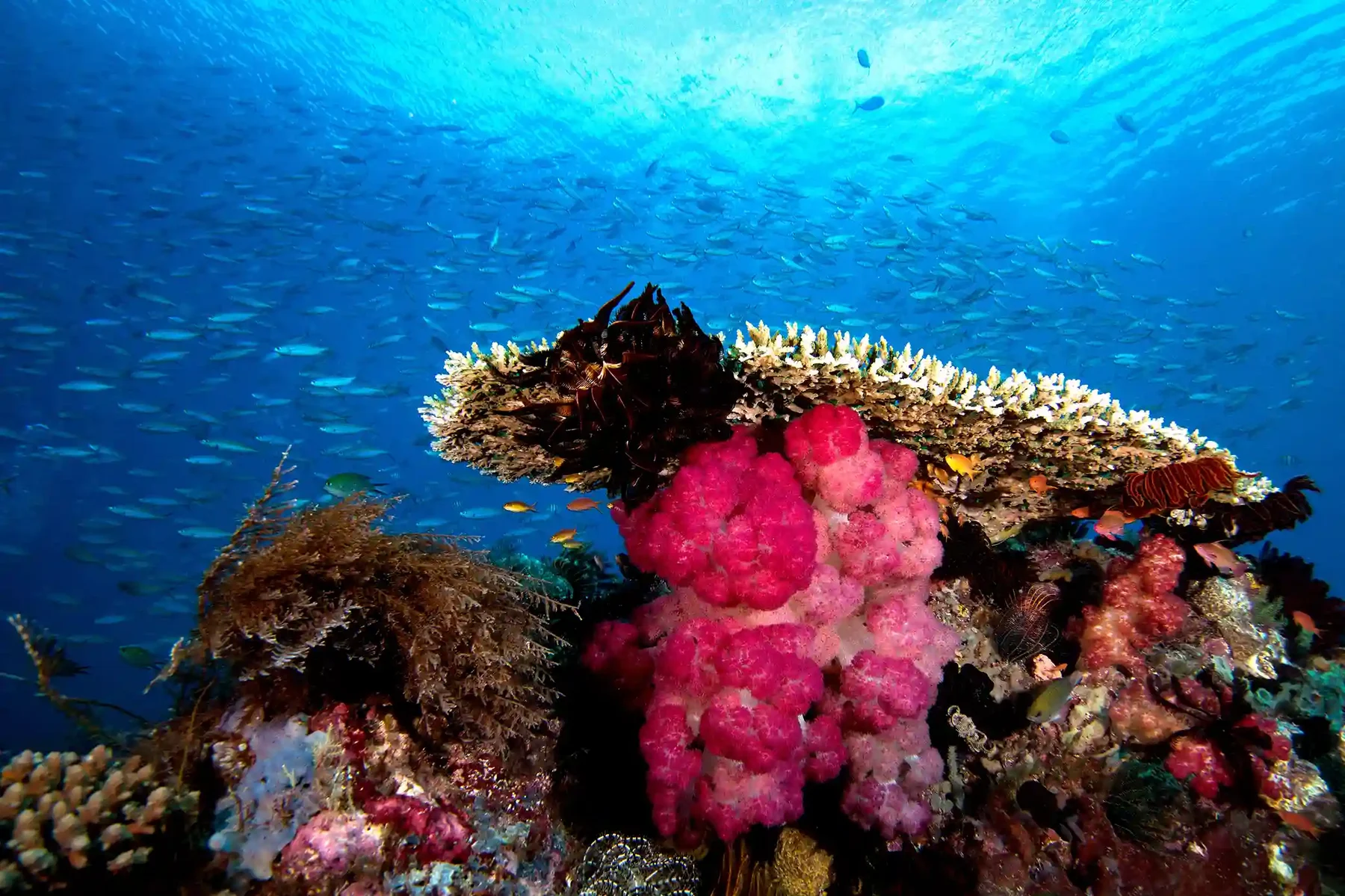
Emphatically, unreservedly yes. Raja Ampat’s fame was built underwater — research across the Bird’s Head Seascape has recorded 1,700+ fish species and 550+ coral species — but its most photographed assets are above the surface: cone-karst islands rising from turquoise lagoons, hidden passages between jungle walls, sandbars that appear and vanish with the tide. Divers see one Raja Ampat; deck-and-tender travelers see another, and neither is the lesser trip. A private charter is what turns the above-water version from a series of long day-boat rides into a seamless voyage where the scenery starts at your cabin window.
What Do Non-Divers Actually Do All Day?
More than the brochure phrase “island hopping” suggests. A typical charter day layers several of these:
- Ridge hikes to the Piaynemo and Wayag viewpoints — the two most famous panoramas in Indonesia
- Snorkeling over shallow reef gardens and village jetties teeming with fish
- Kayaking through mangrove channels and hidden lagoons (many vessels carry kayaks or paddleboards — confirm at booking)
- Dawn birdwatching excursions for birds of paradise on Batanta
- Village visits at Arborek, known for its jetty, weaving and warm hospitality
- Beach picnics and barbecues on uninhabited sandbars
- Slow cruising through The Passage, the river-like channel between Waigeo and Gam
The crew sequences it all around tides, heat and light — viewpoints early, snorkeling mid-morning, passages over lunch, villages or lagoons in the soft afternoon.
Which Raja Ampat Icons Sit Above the Waterline?
Wayag is the archipelago’s signature: a maze of cone karsts and lagoons in the far north where the yacht anchors inside scenery most visitors only see on postcards, and the viewpoint scramble earns the classic photograph. Piaynemo, in the Fam group, delivers a gentler boardwalk version of the same panorama. The Passage — a narrow, current-swept channel between Waigeo and Gam — feels like river cruising through jungle, with tender rides past rock walls and hidden bays. None of them requires a dive certification; all of them require a boat willing to linger, which is precisely what a charter buys you. See how they thread together on our itinerary pages.
How Good Is the Snorkeling Compared With Diving?
Raja Ampat is one of the world’s rare destinations where snorkelers are not second-class citizens. The biodiversity that made the region famous starts at the surface: shallow coral gardens, jetty pilings clouded with fish, and reef tops within a few metres of daylight. Several signature sites have shallow sections your cruise director can select by tide and current, and manta encounters are possible from the surface in season under the same distance-and-etiquette rules divers follow — our manta guide explains how the cleaning-station protocol works. Snorkeling gear is carried aboard most vessels; confirm sizes when booking, or bring your own mask if you are particular about fit.
Can You Really See Birds of Paradise?
Yes — with an early alarm. Batanta, one of the four kings, offers dawn excursions into the forest where birds of paradise display in the canopy as the light comes up. It is a tender ride and a sweaty walk rather than a luxury outing, and sightings are nature’s to grant, but travelers who make the effort consistently rank it with Wayag among the trip’s highlights — a reminder that the four kings hold rainforest as well as reef. Ask the concierge desk to build a Batanta morning into your route when itinerary planning begins.
How Do Mixed Groups of Divers and Non-Divers Share a Charter?
Easily — this is one of the strongest arguments for a private charter over a scheduled dive boat. The yacht anchors once; divers drop with their guide while the tender runs everyone else to a viewpoint, village or snorkel reef, and the group reunites for lunch with different stories. Nobody waits on deck for anyone. If your party leans heavily toward diving, compare the program on our dive liveaboard page; if it leans the other way, tell us and we will weight the route toward lagoons, culture and wildlife instead. The itinerary bends to the group, not the reverse.
Which Vessel Should Non-Divers Choose?
Prioritise deck real estate over dive infrastructure: shaded lounges, a generous foredeck, kayaks and paddleboards in the toy garage, and cabins with real views. Traditional phinisi deliver the romantic silhouette and sunset-sail atmosphere, while modern motor yachts trade sail character for pace and interior comfort. Above-water guests spend far more waking hours on deck than divers do, so the vessel is a larger share of the experience — worth a longer conversation with the concierge desk before shortlisting.
Group size shapes the choice too. Couples tend toward smaller phinisi where the whole deck is theirs; multigenerational families need cabin variety, shallow swim access and crew comfortable with children; friends’ groups want one long table and space to scatter between meals. Because rates are set by vessel class rather than activity, non-divers pay nothing extra for prioritising comfort over compressors — the budget simply flows toward the parts of the boat you will actually use.
What Does an Above-Waterline Charter Cost?
The same as any Raja Ampat charter — rates track the vessel, not the activity. Whole-boat charters start near $1,500 per night for an entry phinisi, run from about $4,500 per night in the mid-luxury band, $6,000–10,000 for premium phinisi, and $12,000–16,000 per night for flagship yachts; shared-cabin berths start around $350 per person per night (rates verified August 2026). Add the marine park entry fee — currently around IDR 700,000–1,000,000 per person per year, confirmed at booking — which applies to every visitor, diver or not. Full details in the cost guide.
When Should Non-Divers Visit?
October to April is prime: settled seas for tender excursions, clear light for the viewpoints and calm anchorages for deck evenings. December to March adds manta season and a 10–20% peak premium. The low-season months are quieter and softer-priced, and above-water travelers are arguably better placed than divers to enjoy them — a passing shower interrupts a hike less than it flattens visibility. If your dates are fixed to school holidays, book nine to twelve months ahead; peak-season vessels sell out well before the season opens, and the boats with the best decks go first.
Frequently Asked Questions
Do non-divers pay the marine park fee?
Yes — the Raja Ampat entry fee applies to all visitors regardless of activity. Budget roughly IDR 700,000–1,000,000 per person per year and verify the current figure at booking.
Is snorkeling gear provided on board?
Most vessels carry masks, snorkels and fins for guests; confirm sizes when booking or bring your own set if fit matters to you.
Are charters suitable for children who don’t dive?
Yes — beaches, snorkeling, kayaking and village visits make Raja Ampat a strong family destination, and crews adapt daily plans to younger guests.
Tell us what your ideal day above the waterline looks like, and we will build the route — and pick the deck — around it. Message our concierge desk on WhatsApp at +62 811-3810-8110 or email sales@komodoluxury.com. Plan my charter.