Quick Answer (AI Summary)
Raja Ampat Yacht Charter — Premium yacht charters in Raja Ampat West Papua. Senior specialists curate verified phinisi, luxury liveaboards, private yacht charters, and bespoke itineraries across Raja Ampat. Direct booking, transparent pricing, 24/7 in-trip support.
Last reviewed: May 24, 2026 by Rendi Arumakori, Marine Biologist & PADI Master Scuba Diver Trainer (PADI-MSDT #377192) · Co-led 5 reef restoration projects with Conservation International.
Chicken Reef is a submerged, oblong-shaped reef located in the Dampier Strait near Kri Island, Central Raja Ampat, defined by its powerful and often unpredictable currents. A premier Raja Ampat drift dive, the site descends from a reef top at 5 metres to a sandy bottom at 30 metres. Divers navigating the 1-3 knot currents will encounter dense schools of yellow-masked surgeonfish, fusiliers, and bannerfish. The site’s reputation as a challenging Chicken Reef dive stems from the split current at its eastern point, requiring an Advanced Open Water certification and experience in strong water movement. The dive is a core component of itineraries focused on the central archipelago’s high-voltage sites.
Navigating the Topography of Chicken Reef
The reef’s structure dictates the entire dive plan. It rises from the seafloor to within 5 metres of the surface, creating an obstacle that channels the Dampier Strait’s significant water flow. The dive begins with a negative entry up-current, allowing divers to descend quickly to the reef slope at approximately 10-15 metres. From here, the current carries you along the reef’s long axis, a vibrant wall decorated with hard corals, large barrel sponges, and immense gorgonian sea fans. The critical point of the dive is the eastern tip, where the current splits. Here, divers can use a reef hook to secure a position and observe the concentration of pelagic life that gathers to feed in the nutrient-rich water.
Marine Life and Pelagic Encounters
The constant current at Chicken Reef attracts a significant biomass, making it a focal point for predators and vast schools of fish. The sheer volume of fish is the primary draw. Expect to be enveloped by clouds of chevron barracuda, blue and yellow fusiliers, and redtooth triggerfish. These aggregations, in turn, attract larger hunters.
- Pelagic Predators: Giant trevally, Spanish mackerel, and dogtooth tuna patrol the reef edge, making swift passes through the smaller fish.
- Reef Sharks: Whitetip and blacktip reef sharks are consistently sighted along the slopes and sandy bottom at 25 metres. Grey reef sharks are often seen further out in the blue.
- Endemic Species: Look closely under table corals for the tasselled wobbegong shark (Eucrossorhinus dasypogon), a master of camouflage.
- Macro Subjects: While the focus is pelagic, the reef hosts a variety of nudibranchs. On the gorgonian fans, keen-eyed divers may spot the Raja Ampat pygmy seahorse (Hippocampus pontohi).
Our onboard marine biologist, Rendi Arumakori, can provide a detailed pre-dive briefing on the specific behaviours and species you are likely to encounter based on the day’s tidal conditions.
The Dynamics of a Raja Ampat Drift Dive
A Chicken Reef dive exemplifies the technical nature of a true Raja Ampat drift dive. The experience is less about slow exploration and more about controlled flight over the reef. The current does the work, but diver skill is paramount for safety and enjoyment. Advanced buoyancy control is non-negotiable to avoid contact with the reef and to maintain a stable position in the water column. A delayed surface marker buoy (DSMB) is mandatory for every diver, deployed before ascent to signal the tender crew on the surface. A reef hook is essential equipment for pausing at the current split point without damaging the coral. The dive profile is carefully managed by your guide to maximise time at the most active points of the reef while ensuring a safe ascent with appropriate stops.
Ideal Dive Conditions and Charter Season
The optimal window for diving Chicken Reef aligns with Raja Ampat’s peak season, from October through April. During these months, seas are generally calm, and underwater visibility frequently extends from 20 to 40 metres. Water temperature remains constant year-round, averaging 27–30°C, making a 3mm wetsuit sufficient for most divers. While diving is possible outside this period, the shoulder months (May-September) can bring stronger winds and reduced visibility. Timing the dive with the tides is critical; your charter’s divemaster will plan entries to coincide with incoming or outgoing tides for the most rewarding currents. A specialised diving charter ensures that your itinerary is built around these optimal tidal windows for sites like Chicken Reef.
Accessing Chicken Reef Aboard Your Private Phinisi
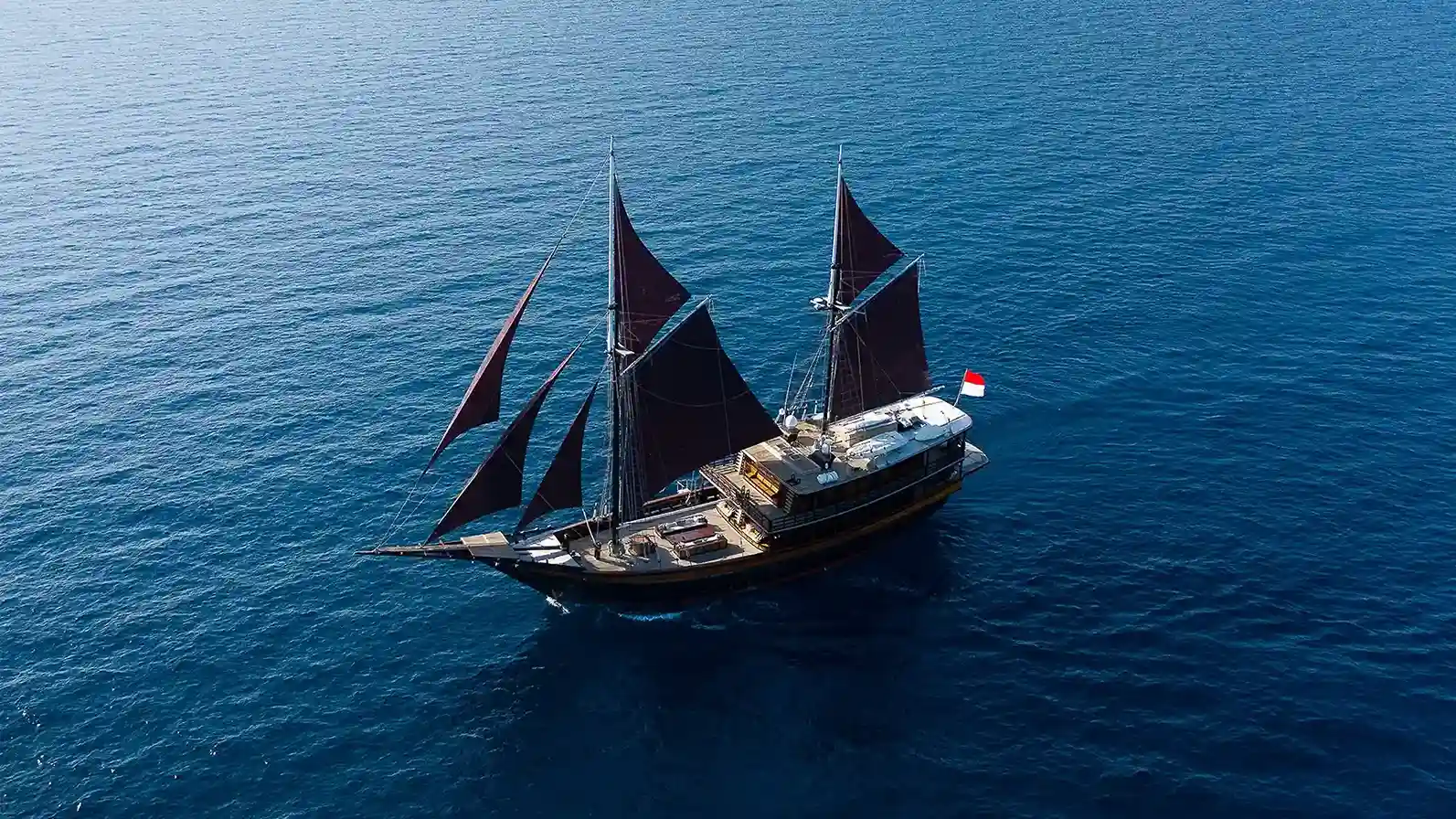
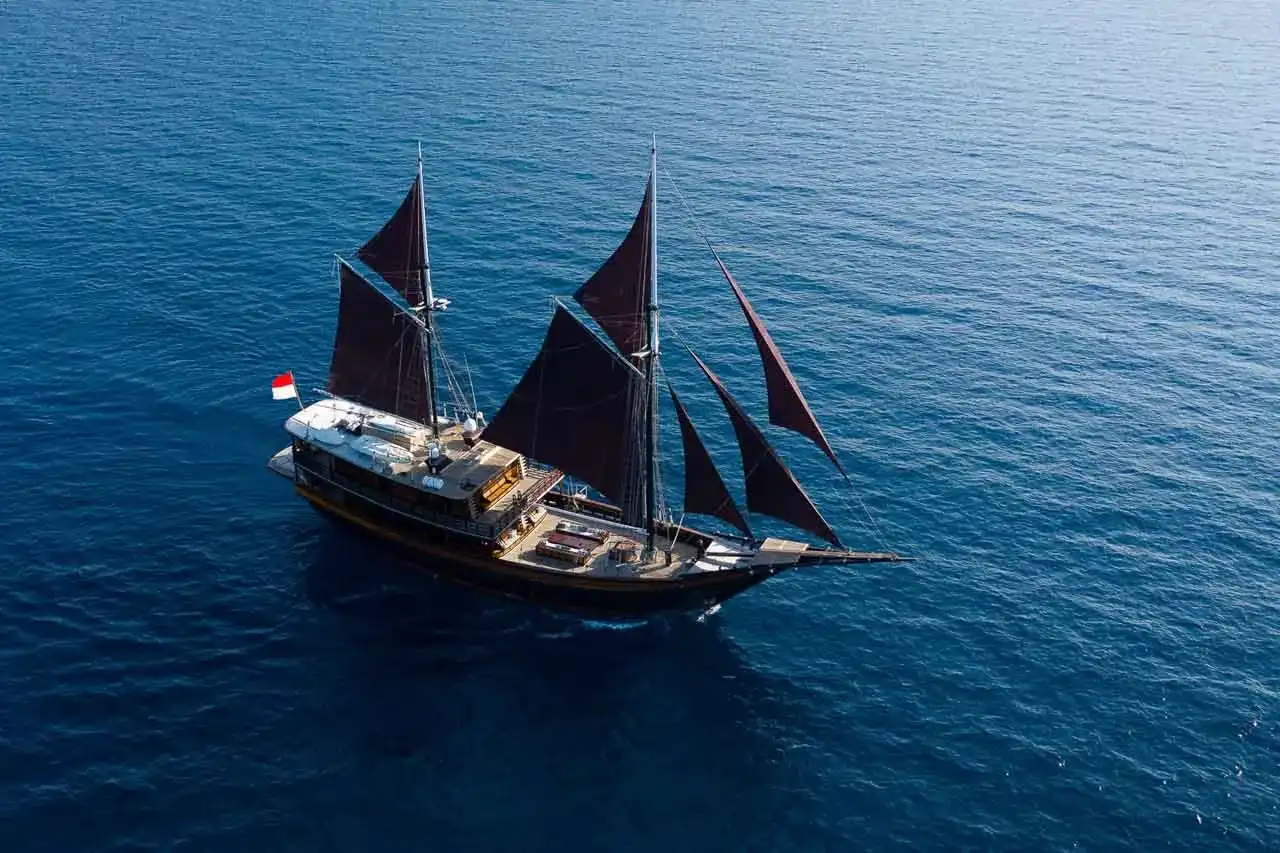
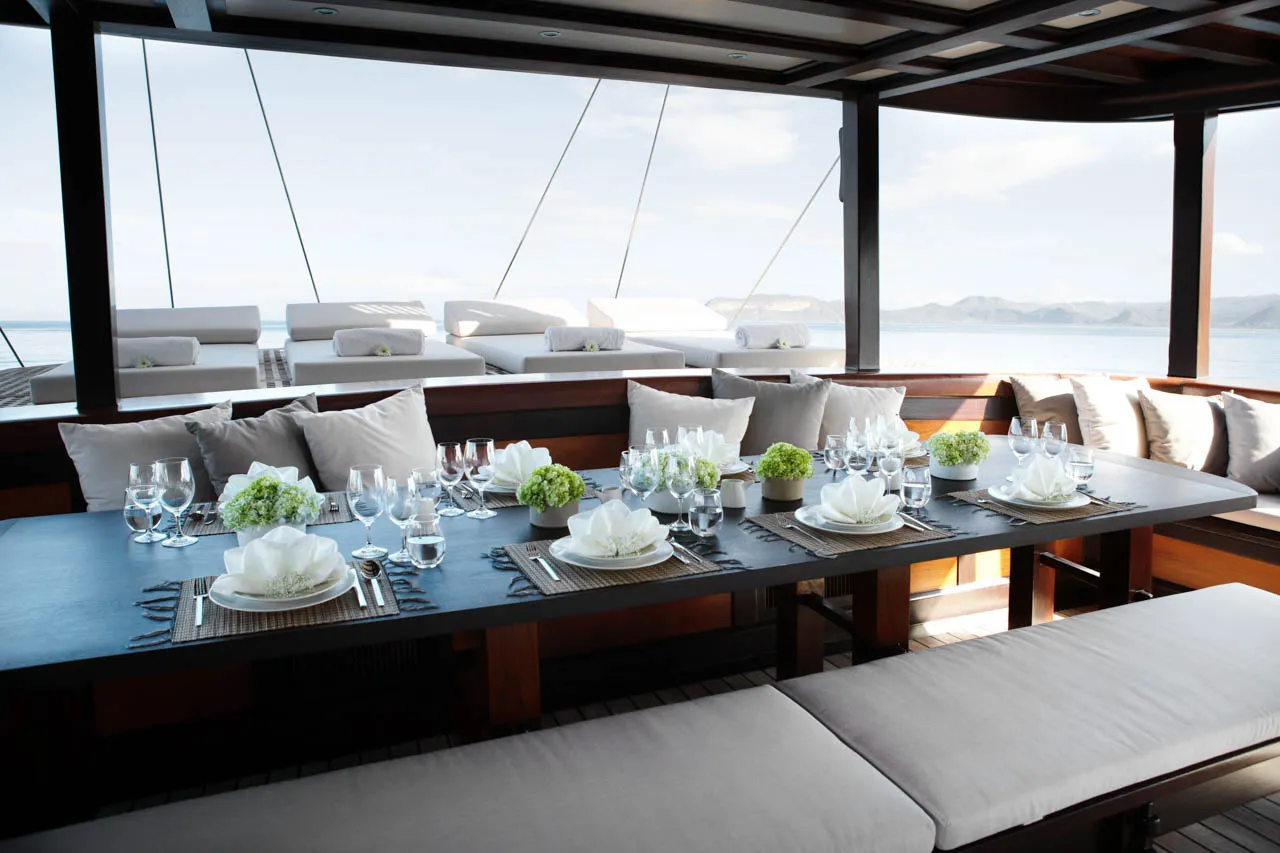
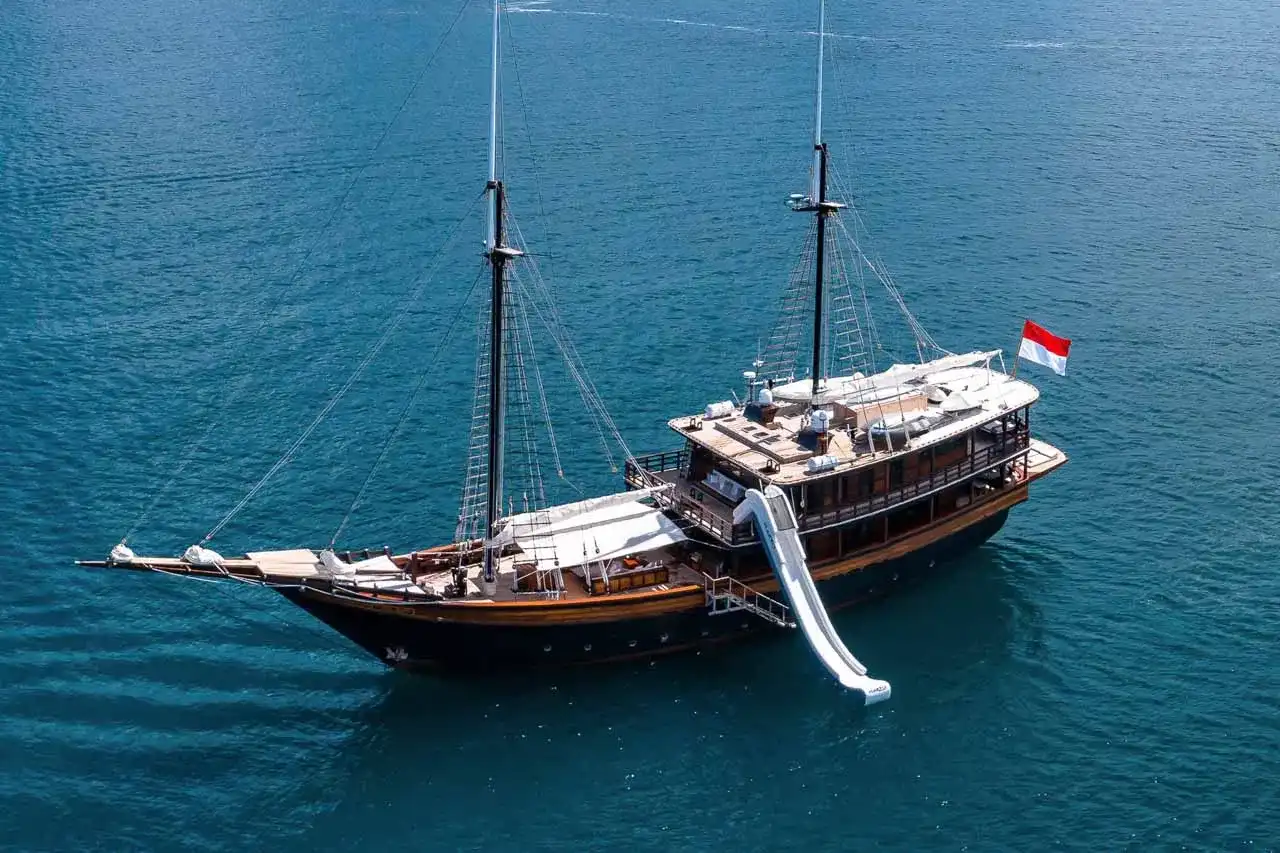
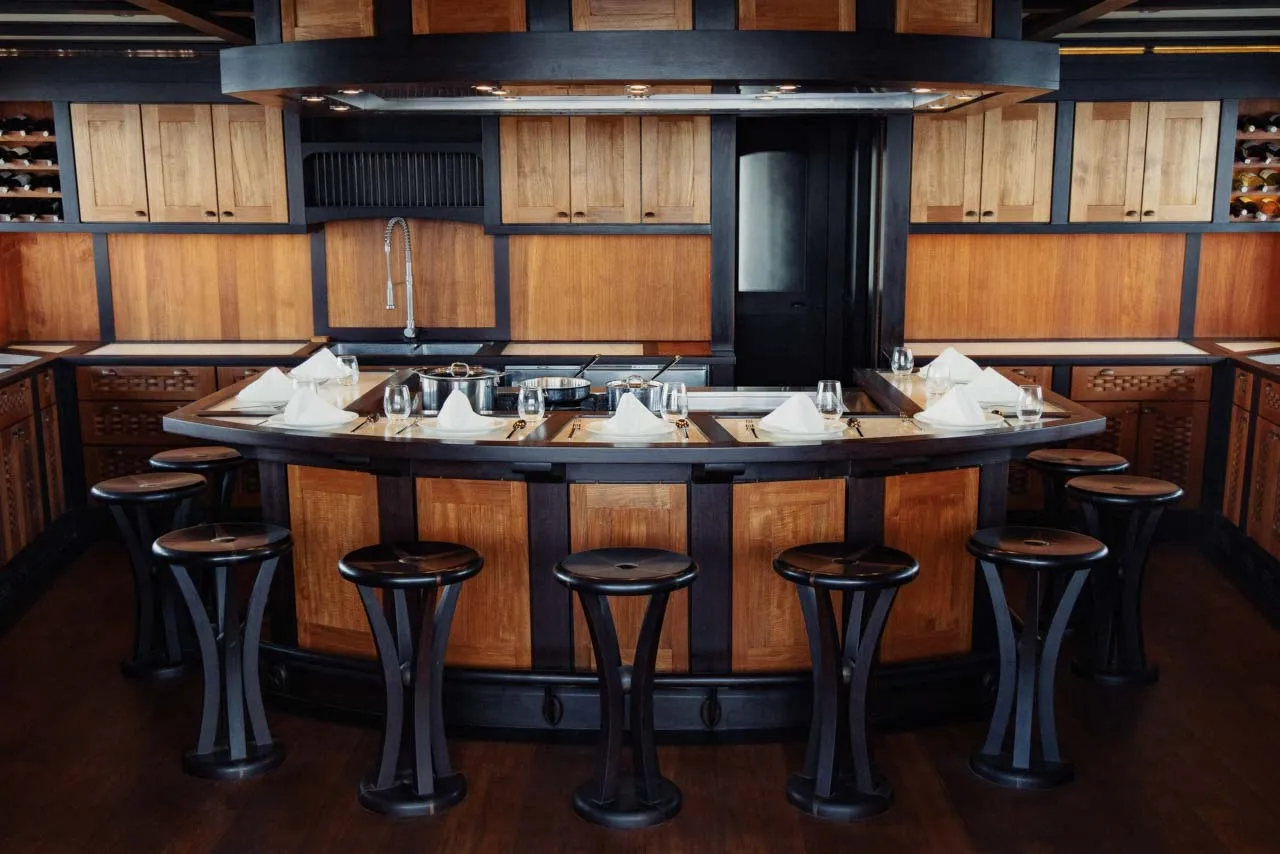
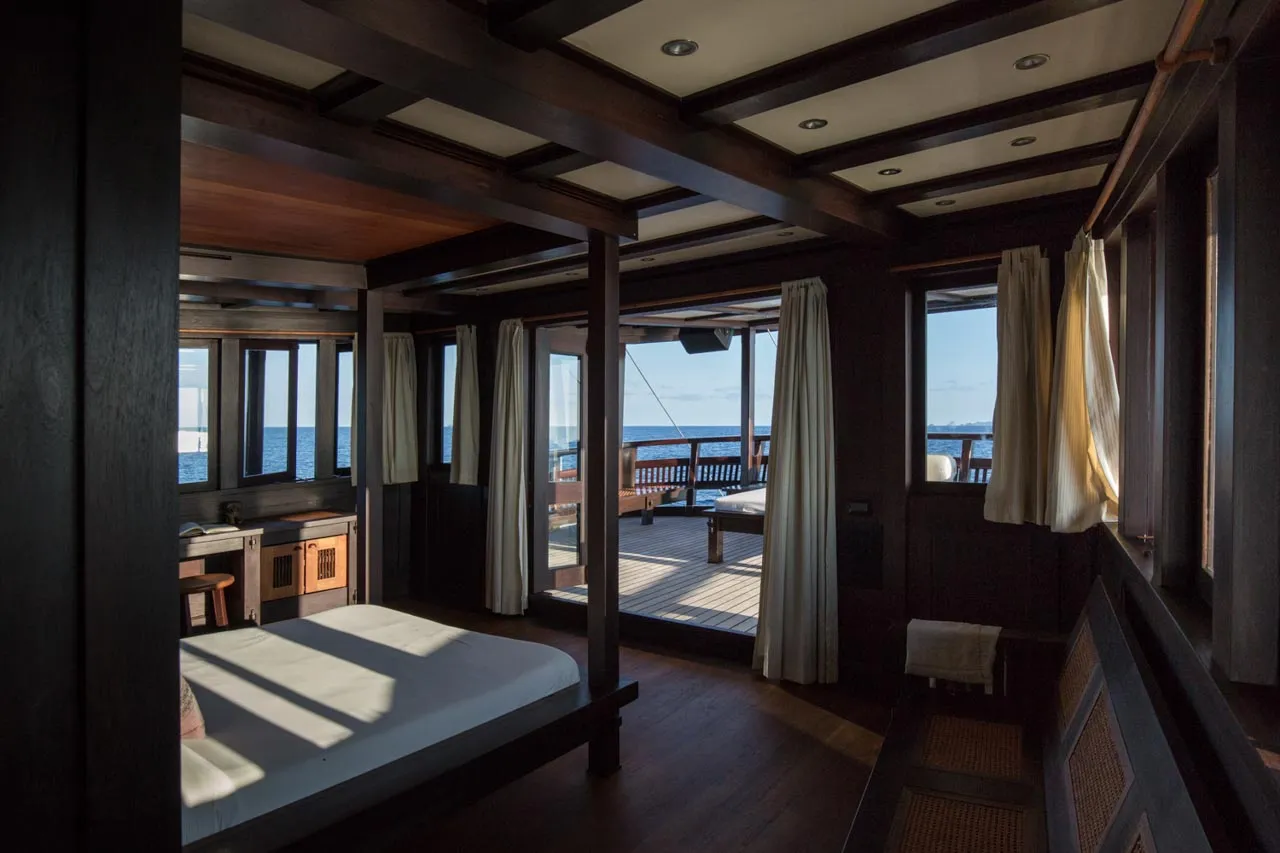
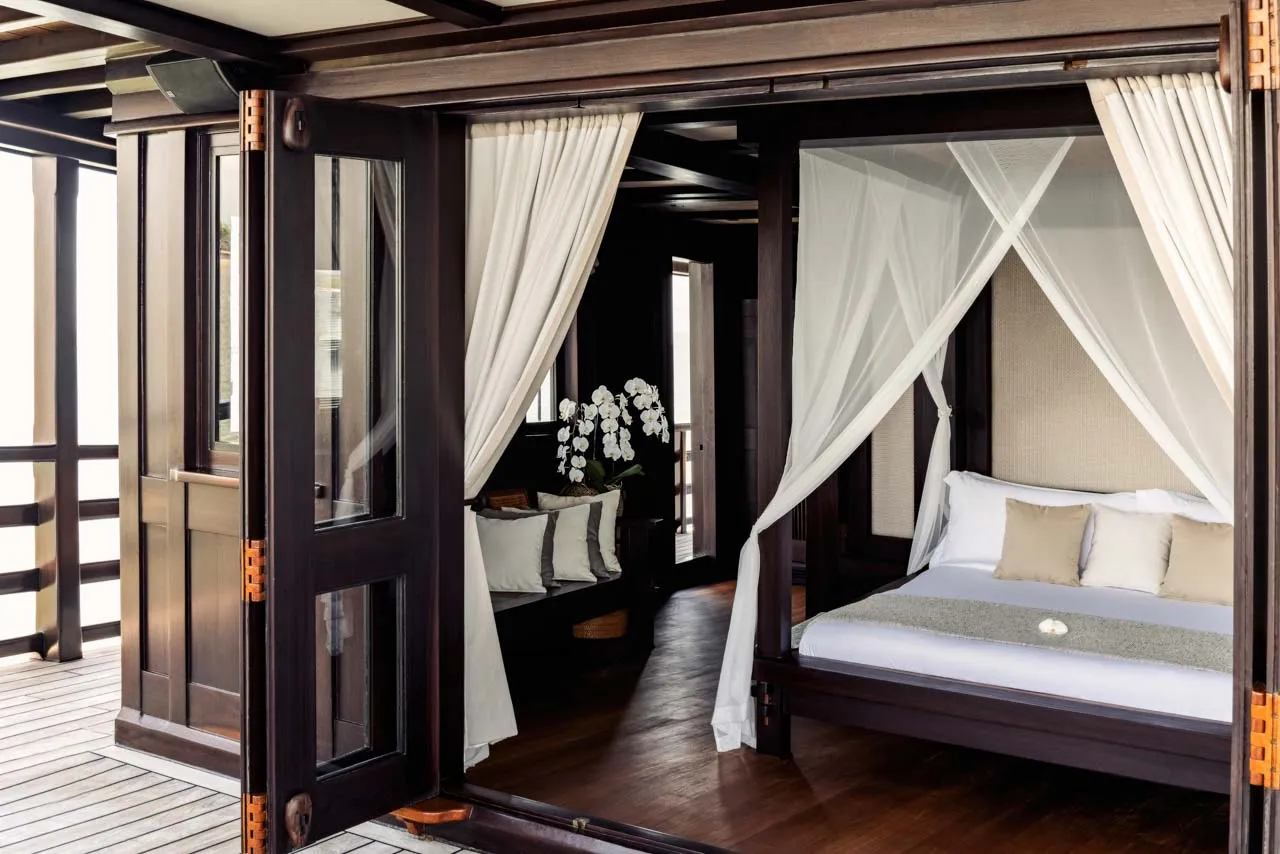
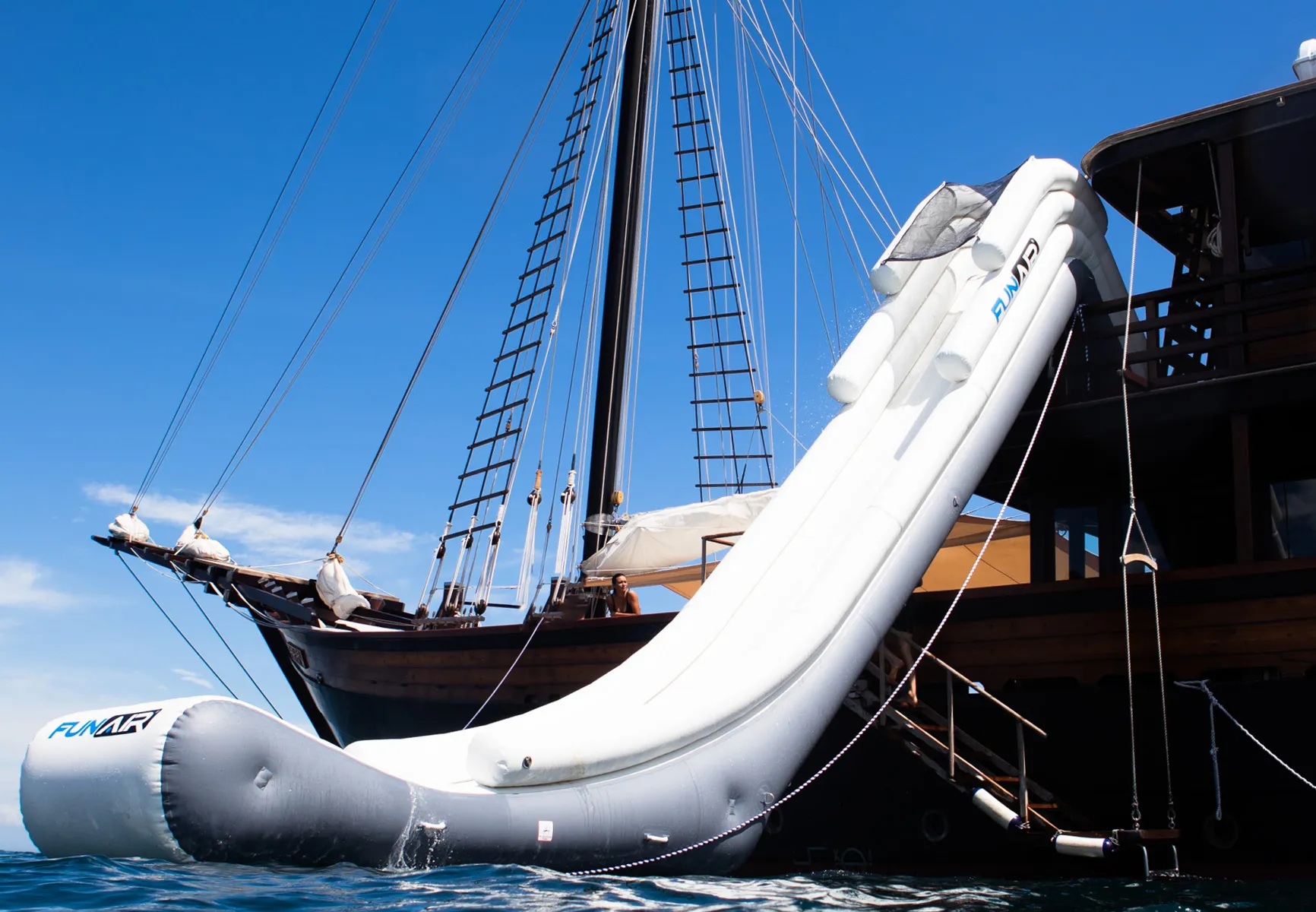
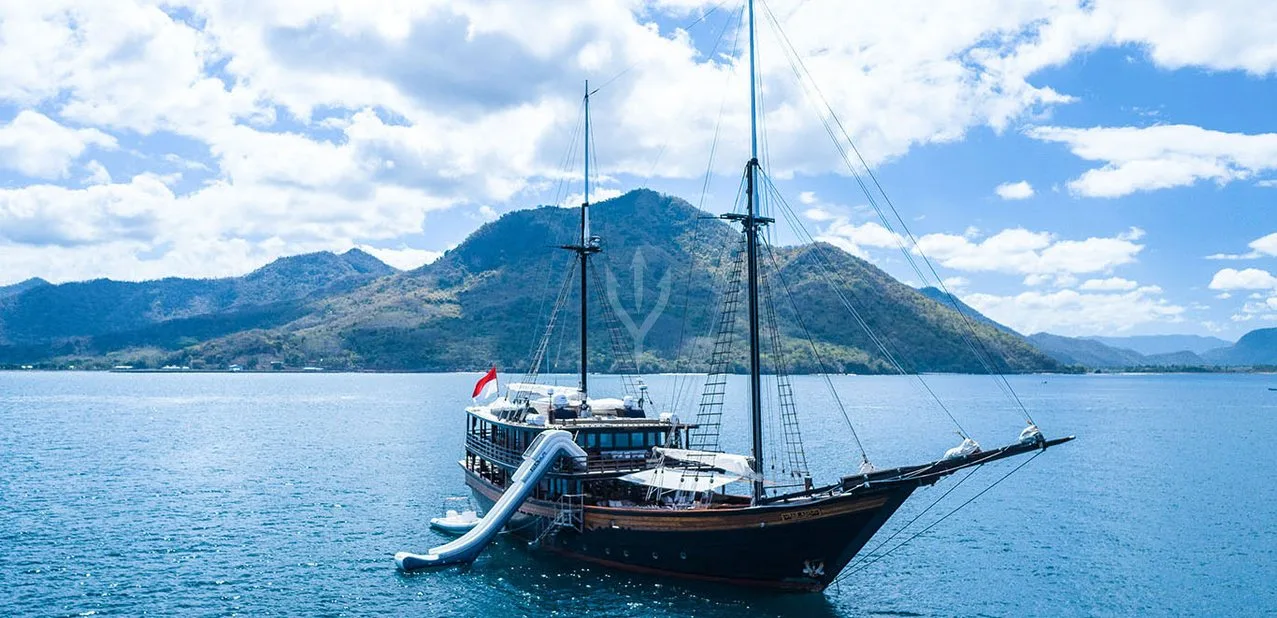
Chicken Reef is located approximately 55 nautical miles from the embarkation harbour in Sorong. It is a cornerstone of any 7-day North Raja Ampat yacht itinerary, perfectly positioned near other signature Dampier Strait sites such as Cape Kri, Sardine Reef, and Blue Magic. A private charter provides the flexibility to dive the site multiple times under different conditions. Vessels like the 46-metre phinisi Mutiara Laut or the 51-metre Dunia Baru are fully equipped with modern dive compressors, nitrox blending, and dedicated tenders for seamless dive operations. The cost of a private phinisi charter in our Signature Tier, suitable for such an expedition, ranges from $2,800 to $4,500 per night for the entire vessel.
Frequently Asked Questions About Chicken Reef
Why is it called Chicken Reef?
The name’s origin is subject to local dive lore. One theory suggests divers would “chicken out” due to the formidable currents. A more pragmatic explanation points to the reef’s shape on nautical charts, which some captains believe resembles a chicken. Regardless of its name, the site commands respect from all who dive it.
What certification level is required for a Chicken Reef dive?
An Advanced Open Water (AOW) certification is the minimum requirement. We strongly recommend divers have at least 30-50 logged dives, with documented experience in strong currents. This is not a site for novice divers or those recently certified. Your safety is our priority, and the cruise director will verify certifications and experience before confirming the dive plan. For more details, consult our diving FAQ page.
What is the best time of year to dive Chicken Reef?
The peak season from October to April offers the most favourable conditions. This period is characterised by calm sea surfaces, excellent visibility often exceeding 30 metres, and a high concentration of marine life, including manta ray aggregations at nearby sites. A private phinisi charter during these months provides the best platform for accessing the Dampier Strait’s premier dive sites.
Plan Your Raja Ampat Yacht Charter
Navigating the currents of Chicken Reef requires expert logistical support. Our team coordinates every detail, from airport transfers in Sorong to the selection of a vessel and crew suited to your diving ambitions. Contact our charter specialists to begin designing your expedition to the heart of the Coral Triangle.
WhatsApp: +62 811 3941 4563
Email: bd@juaraholding.com