Cape Kri holds the world record for fish species on one dive. Site guide, currents, best season, and how to visit by private yacht charter from Sorong.
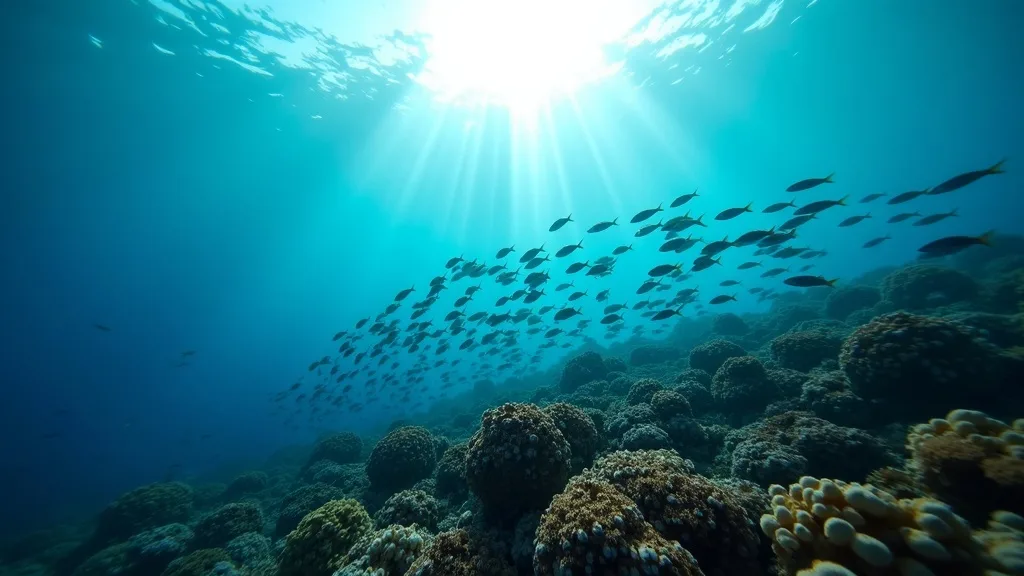
Cape Kri is the most storied dive site in Raja Ampat — the sloping reef off Kri Island’s eastern point where scientists surveying the Bird’s Head Seascape logged the highest number of reef-fish species ever recorded on a single dive. It is the benchmark against which the world’s reefs are measured, and it sits a short tender ride from the Dampier Strait anchorages every northern charter uses. This page covers the site itself and how to charter a yacht to dive it; for the full in-water account, dive plans and photography notes, read our detailed log of diving Cape Kri.
Cape Kri wraps the eastern tip of Kri Island, in the heart of the Dampier Strait between Waigeo and Mansuar — the corridor that concentrates the richest diving in northern Raja Ampat. From Sorong harbour, the strait is roughly 53 nautical miles, about 8 hours of cruising; almost every charter runs it overnight and arrives with the whole Kri–Mansuar cluster within tender range.
Visiting by private yacht is the most civilised way to dive it. Your vessel takes a protected anchorage in the strait, the tender drops divers up-current of the point at the guide’s chosen moment, and collects the drift at the other end. Timing is everything at Cape Kri — the difference between a pleasant reef dive and an unforgettable one is the tide — and a private charter’s freedom to wait for the window is precisely what fixed liveaboard schedules cannot offer. Dive-focused partner vessels in our network, from expedition yachts to classic phinisi, treat the strait as home water; see the Raja Ampat dive liveaboard hub for boats built around days like this.
Because everything meets here. The point sits where currents funnel through the Dampier Strait, delivering nutrients that feed every layer of the food chain at once — the mechanism behind Raja Ampat’s documented totals of more than 1,700 fish species and 550-plus coral species across the Bird’s Head Seascape. On a single survey dive at Cape Kri, visiting ichthyologists counted more distinct fish species than had ever been recorded anywhere in the world — the finding that put Raja Ampat on the global diving map and still defines the site’s reputation.
Cape Kri is honest about its physics: the fish are there because the current is. On a running tide the dive is a brisk drift along the slope to the point, where divers tuck into the current shadow — or hook in, on the strongest flows — and watch the strait’s traffic stream past. That version is for divers comfortable in moving water. Near slack, the same reef becomes a relaxed slope dive that confident newer divers can enjoy with close guiding. Your guide will match the entry, route and timing to the group; if you are building experience, the itinerary can open on gentler strait sites such as Chicken Reef before graduating to the point on a favourable tide.
October to April is prime season — calm seas, peak visibility, and the period when the larger charter yachts position in Raja Ampat (November to April) before rotating to Komodo for the mid-year. The strait dives year-round, and low season rewards flexible travellers with empty sites and softer rates. December to March is peak: expect a 10–20 percent premium and secure your dates 9 to 12 months out, as 2027 departures are filling fast. Rates verified August 2026.
Effectively all northern routes — the Kri–Mansuar cluster is the first act of the classic loop.
| Itinerary | How Cape Kri fits |
|---|---|
| Northern loop, 7 nights | Anchor stop early in the route — Cape Kri, Sardine Reef and Blue Magic before the run west to Fam, Piaynemo and Wayag |
| Combined north + Misool, 10–12 nights | The strait days open or close the voyage around the southern leg |
| 7-day itinerary | Usually dived on day two, with a second attempt held in reserve for a better tide later in the week |
Compare every route on the Raja Ampat itineraries hub — and note the private-charter advantage: if the tide is wrong on Tuesday, your captain simply comes back Thursday.
During scientific surveys of the Bird’s Head Seascape, researchers recorded more individual fish species on one dive at Cape Kri than had ever been documented on a single dive anywhere — the highest such count in the world. It made the site the reference point for reef biodiversity, and the density you see underwater today is the living version of that statistic.
Near slack water, yes — with a guide, it becomes a manageable slope dive. On a running tide it belongs to divers comfortable with drift and current technique. On a private charter, the guide times your visit to the group’s level rather than forcing the site on a schedule.
Rates verified August 2026: entry phinisi from around $1,500 per night whole-boat, mid-luxury from about $4,500 per night, premium phinisi $6,000–10,000 per night, flagship vessels $12,000–16,000 per night, and shared liveaboard berths from roughly $350 per night per person. Cape Kri sits on the main strait line, so no itinerary surcharge applies — every northern charter passes its doorstep.
Operated by Komodo Luxury since 2015, our Bali-based team plans Raja Ampat end to end — vessel, itinerary, permits, and tide-literate guides who know exactly when the point will fire. Tell us your dates and dive experience, and we will build the week around the record reef. WhatsApp +62 811-3810-8110 or email sales@komodoluxury.com — Plan my charter.
Have a Question on This Topic?
Our concierge team is in Sorong, on-island for most of the year. Forward this page along with your specific question — we will reply with an answer grounded in what we have actually seen on the water.