Last reviewed: May 24, 2026 by Rendi Arumakori, Marine Biologist & PADI Master Scuba Diver Trainer (PADI-MSDT #377192) · Co-led 5 reef restoration projects with Conservation International.
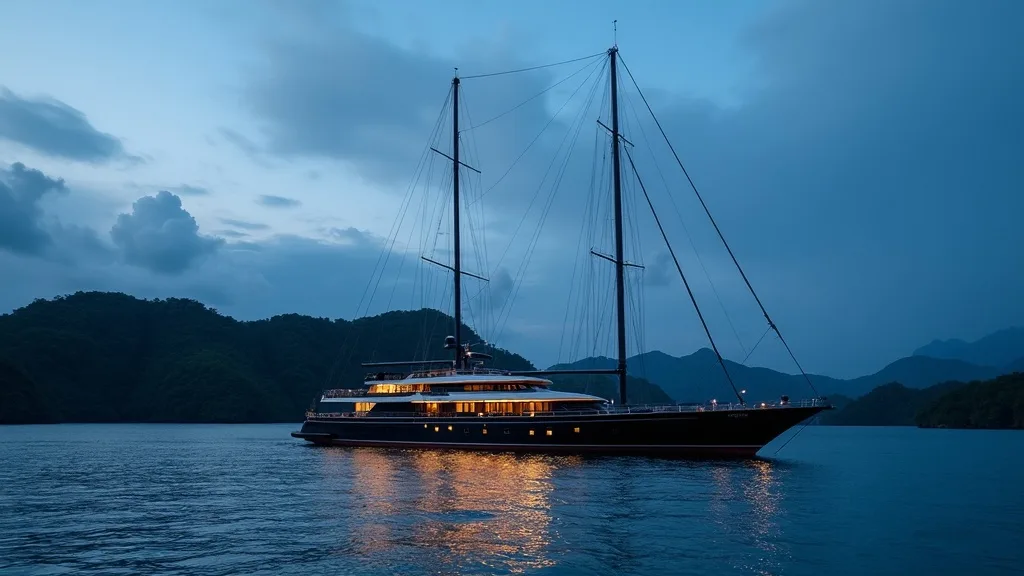
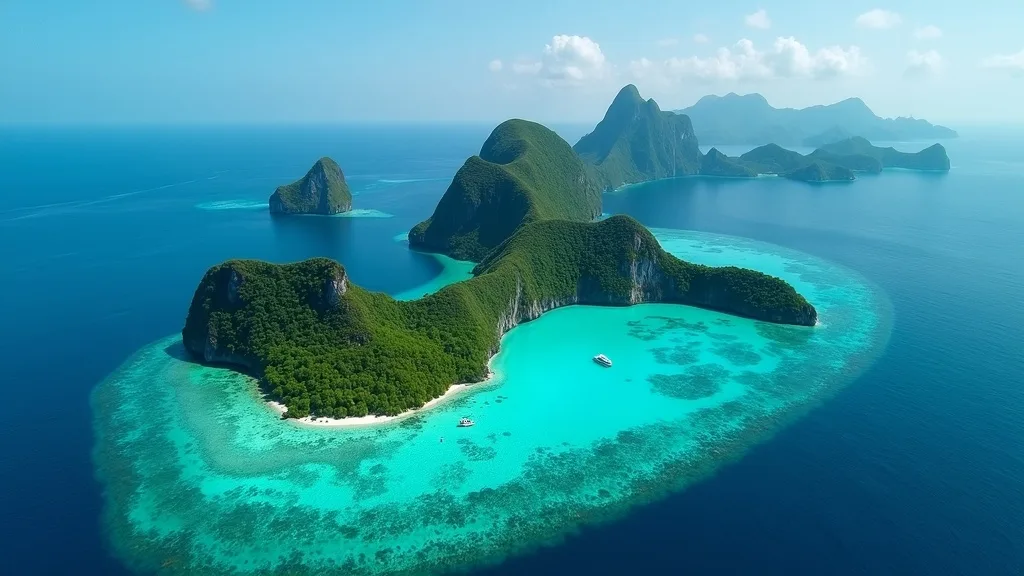
The best dive sites in Raja Ampat are a collection of current-swept channels, submerged pinnacles, and vibrant coral gardens distributed across an archipelago of over 1,500 islands. Chartering a private yacht provides the only practical means to access the full scope of these locations, from the world-record-holding reefs of the Dampier Strait to the soft coral seascapes of Misool. This region, the epicentre of the Coral Triangle, contains 75% of the world’s known hard coral species and a documented 1,427 species of reef fish. Gaining access requires navigating the 40,000 km² of West Papua’s waters, a feat best accomplished aboard a vessel like the 51m phinisi Dunia Baru. Understanding Raja Ampat’s top dive sites is the first step in crafting a charter itinerary that targets specific marine phenomena, from manta ray aggregations to endemic species found nowhere else on Earth.
The Dampier Strait: Epicentre of Marine Biodiversity
The Dampier Strait is the vast channel separating the islands of Waigeo and Batanta. Its powerful currents, funneling water from the Pacific to the Indian Ocean, create a nutrient-rich environment that fuels an explosion of marine life. These currents can reach 1 to 4 knots, demanding respect and experience from divers. Sites here are characterised by immense schools of fish, frequent pelagic sightings, and staggering biodiversity. A private yacht allows for precise scheduling, enabling dives during slack tides for optimal conditions and safety. Our dive tenders position you directly over the drop point, a critical advantage for negative entry dives at sites like Blue Magic. These are the world class dive sites in Raja Ampat that established its reputation.
1. Cape Kri
Cape Kri is a sloping coral reef off the eastern tip of Kri Island, renowned for holding the world record for the highest number of fish species counted on a single dive. In 2012, Dr. Gerald Allen of Conservation International documented an astonishing 374 distinct species here. The site’s topography creates a natural collection point for marine life riding the currents. Divers can expect to encounter dense schools of yellowtail fusiliers, giant trevallies hunting in packs, chevron barracuda, and congregations of bumphead parrotfish. The reef top, at a shallow 5 metres, is a garden of hard corals, making for a compelling safety stop. This is a mandatory stop on any 7-day North Raja Ampat yacht itinerary.
- Dive Type: Sloping Reef / Drift
- Depth: 5 – 30 metres
- Current: Medium to Strong
- Key Species: Blacktip reef sharks, giant trevally, bumphead parrotfish, sweetlips, barracuda.
- Certification Level: Open Water Diver (with experience) to Advanced.
2. Blue Magic
Blue Magic is a submerged seamount in the Dampier Strait whose top rests just 7 metres below the surface. This pinnacle acts as a magnet for pelagic species. Its exposed position means it is frequently washed by strong currents, making it a dive for experienced individuals comfortable with negative entries and potential down-currents. The reward is a high-voltage spectacle. Large schools of bigeye trevally and barracuda form shimmering vortexes, while grey reef sharks patrol the perimeter. Between December and March, oceanic manta rays (Mobula birostris) often visit the cleaning station on the pinnacle’s peak. Captain Yance Mambrasar, with his 25 years of navigating these waters, positions the yacht to allow for a direct, safe approach via the tender.
- Dive Type: Seamount / Pinnacle
- Depth: 7 – 35 metres
- Current: Strong to Very Strong
- Key Species: Oceanic manta rays, grey reef sharks, Spanish mackerel, wobbegong sharks (Eucrossorhinus dasypogon).
- Certification Level: Advanced Open Water with at least 50 logged dives recommended.
3. Sardine Reef
Sardine Reef is an offshore pinnacle that, unlike Blue Magic, does not break the surface. Its name is a misnomer; there are no sardines. Instead, it refers to the sheer density of fish packed onto the reef, resembling a tin of sardines. The top of the reef sits at around 5 metres and is covered in a vibrant carpet of fusiliers, damselfish, and surgeonfish. Deeper sections feature dramatic overhangs where wobbegong sharks rest. The currents here can be powerful, often splitting at the reef’s northern point, requiring divers to choose a side to explore. A reef hook is a standard piece of equipment here, allowing you to secure a position and watch the spectacle unfold. A capable private diving charter provides experienced guides who can read these currents precisely.
- Dive Type: Submerged Reef / Pinnacle
- Depth: 5 – 25 metres
- Current: Medium to Strong
- Key Species: Bumphead parrotfish, Napoleon wrasse, batfish, schooling fusiliers, pygmy seahorses.
- Certification Level: Advanced Open Water.
4. Manta Sandy
Manta Sandy is a dedicated cleaning station for reef mantas (Mobula alfredi). Located in a protected channel between Mansuar and Arborek islands, the site is a large sandy patch at 15-20 metres, dotted with coral bommies. These bommies are staffed by cleaner wrasse, which the mantas visit to have parasites removed. To protect the animals, a rope line has been installed on the seabed. Divers are required to remain behind this line, lying flat on the sand to observe the mantas as they glide overhead. The peak season for aggregations is from December to March, where it is not uncommon to see a dozen or more mantas queuing for their turn. This is one of the most reliable Raja Ampat top dive sites for manta encounters.
- Dive Type: Cleaning Station / Sandy Bottom
- Depth: 15 – 20 metres
- Current: Mild to Medium
- Key Species: Reef manta ray (Mobula alfredi), blacktip reef sharks, giant trevally.
- Certification Level: Open Water Diver.
Misool: The Southern Jewel of Soft Corals
Misool, the southernmost of the ‘Four Kings’, offers a dramatically different diving environment. Its geology is defined by ancient karst limestone, resulting in thousands of steep-sided islets covered in dense vegetation. Underwater, this topography translates into sheer walls, caves, and swim-throughs draped in a profusion of soft corals. The nutrient-rich waters here support some of the most colourful seascapes on the planet. A yacht charter to Misool provides access to this remote region, which remains excellent for diving even during the May-September off-peak season when the Dampier Strait can experience stronger winds. The journey from Sorong to Misool covers approximately 85 nautical miles.
5. Magic Mountain (Boo Rock East)
Magic Mountain is arguably Misool’s most famous site and a strong contender for the best dive site in Raja Ampat. This large offshore seamount is a critical cleaning station for both reef mantas and the larger, pelagic oceanic manta rays. The dive plan typically starts deep, at around 25-30 metres, to observe the oceanic mantas, before ascending to a second cleaning station at 15 metres for reef mantas, and finally finishing on the reef top at 5-7 metres. This shallow area is a spectacle in itself, swarming with fish and patrolled by enormous Napoleon wrasse. The site’s exposure makes it a magnet for all marine life in the area.
- Dive Type: Seamount / Cleaning Station
- Depth: 5 – 40 metres
- Current: Medium to Strong
- Key Species: Oceanic manta ray (Mobula birostris), reef manta ray, Napoleon wrasse, pygmy seahorses.
- Certification Level: Advanced Open Water.
6. Boo Windows (Boo Rock)
Boo Rock is an iconic Misool landmark, famous for two large, swim-through “windows” that completely pierce the island near the surface. On a calm, sunny day, the light streaming through these openings creates a stunning photographic opportunity. The underwater landscape is a tapestry of yellow, orange, and purple soft corals. The walls are covered in sea fans that host the endemic Raja Ampat pygmy seahorse (Hippocampus pontohi). The surrounding reef is equally impressive, with schools of batfish and surgeonfish. Our onboard marine biologist, Rendi Arumakori, can expertly point out the camouflaged macro life that many divers miss.
- Dive Type: Wall / Swim-through
- Depth: 3 – 30 metres
- Current: Mild to Medium
- Key Species: Batfish, surgeonfish, soft corals, sea fans, nudibranchs.
- Certification Level: Open Water Diver.
7. Nudi Rock
Named for its resemblance to a nudibranch (sea slug) from the surface, Nudi Rock is a premier site for macro photography. The walls of this small islet are festooned with soft corals and sea squirts, providing a habitat for an incredible diversity of small creatures. Divers with a keen eye can spot multiple species of nudibranchs, pygmy seahorses, and ornate ghost pipefish. The site also has its share of larger life, with patrolling sweetlips and batfish, but the main attraction is the macro-critter hunt. It is a perfect site for a slower, more deliberate dive profile.
- Dive Type: Wall / Macro
- Depth: 5 – 25 metres
- Current: Mild
- Key Species: Various nudibranchs, pygmy seahorses (Hippocampus pontohi), ghost pipefish, frogfish.
- Certification Level: Open Water Diver.
8. Four Kings
The Four Kings is a cluster of four submerged pinnacles rising from a depth of over 40 metres to just 5 metres from the surface. This is a high-octane dive, often subject to strong currents that attract a huge volume of fish. The pinnacles are so densely covered in fish—predominantly silversides and fusiliers—that it can be difficult to see the reef itself. Predators are always in attendance, with giant trevally, Spanish mackerel, and reef sharks darting through the bait balls. This is a visually overwhelming dive and a testament to the raw productivity of Misool’s waters. Accessing this offshore site is a key benefit of a Raja Ampat dive sites yacht charter.
- Dive Type: Pinnacle / Seamount
- Depth: 5 – 40+ metres
- Current: Strong
- Key Species: Schooling fusiliers, jacks, barracuda, reef sharks, mobula rays.
- Certification Level: Advanced Open Water with deep dive speciality recommended.
Curated Dives for the Connoisseur
Beyond the headline sites, a private yacht charter unlocks locations that are logistically difficult for standard liveaboards or completely inaccessible to land-based operations. These sites offer unique experiences, from expansive hard coral gardens to unusual critter encounters, rounding out a truly comprehensive Raja Ampat diving itinerary. Vessels like the 65m superyacht phinisi Lamima have the range and equipment to incorporate these special locations into a bespoke charter.
9. Melissa’s Garden
Located in the Penemu (or Fam) island group, between the Dampier Strait and Misool, Melissa’s Garden is an enormous, shallow reef plateau. It is celebrated for its sheer health and density of hard corals. Fields of staghorn, table, and brain corals stretch as far as the eye can see, interspersed with vibrant soft corals and anemones. The fish life is prolific, with thousands of anthias and damselfish creating a constant flurry of activity. This site is particularly known for the endemic Raja Ampat walking shark, or epaulette shark (Hemiscyllium freycineti), which can often be found resting under table corals or “walking” across the reef on its pectoral fins during night dives.
- Dive Type: Coral Garden / Plateau
- Depth: 3 – 18 metres
- Current: Mild
- Key Species: Epaulette shark (Hemiscyllium freycineti), anemonefish, vast hard coral formations.
- Certification Level: Open Water Diver.
10. The Passage
The Passage is a unique dive site that feels more like a flowing river than an ocean dive. It is a narrow, 30-metre-wide channel separating the islands of Gam and Waigeo. The current can be brisk, creating a fast-paced drift dive. The sides of the channel are lined with mangrove roots, and the underwater scenery is a strange and beautiful mix of marine and terrestrial environments. Soft corals grow alongside mangrove roots, and archerfish can be seen spitting water to hunt insects above the surface. There are caves and swim-throughs to explore, and the light filtering through the jungle canopy above creates a mesmerising effect. It’s a truly distinct diving experience.
- Dive Type: Drift / Channel / Mangrove
- Depth: 5 – 20 metres
- Current: Medium to Strong (tidal dependent)
- Key Species: Archerfish, soft corals, nudibranchs, gobies.
- Certification Level: Open Water Diver (with good buoyancy control).
11. Arborek Jetty
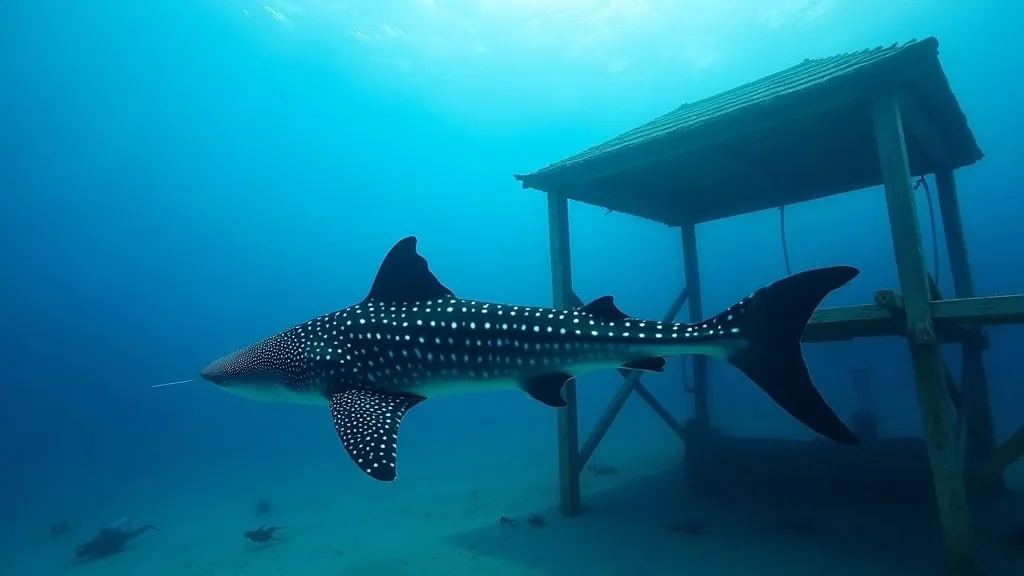
While a man-made structure might seem an unlikely candidate for a top dive site, the jetty in Arborek village is a world-class location for both wide-angle and macro photography. The pylons of the jetty are encrusted with soft corals and sponges, providing shelter for an incredible amount of life. Vast, dense schools of silversides move in unison, parting only for divers or hunting jacks. The sandy bottom beneath is a treasure trove for macro enthusiasts, with ghost pipefish, frogfish, and a multitude of crustaceans. It’s an easy, shallow dive that consistently delivers remarkable encounters.
- Dive Type: Pier / Muck Dive
- Depth: 2 – 15 metres
- Current: Mild
- Key Species: Schooling silversides, batfish, frogfish, pipefish, mandarinfish (at dusk).
- Certification Level: Open Water Diver.
12. Black Rock
Located in the remote southern reaches of Misool, Black Rock is a series of submerged reefs that are a favourite among professional underwater photographers. The site is a showcase of Misool’s signature soft coral density, with every surface covered in a kaleidoscope of colours. The topography includes ledges and overhangs where schools of sweetlips congregate. The combination of clear water, vibrant corals, and prolific fish life makes it one of the most visually stunning dives in the entire archipelago. Its remote location means you are almost guaranteed to have the site entirely to yourself when visiting on a private phinisi charter.
- Dive Type: Submerged Reef / Wall
- Depth: 5 – 30 metres
- Current: Mild to Medium
- Key Species: Schooling sweetlips, bumphead parrotfish, vibrant soft corals, sea fans.
- Certification Level: Open Water Diver.
Planning Your Private Yacht Dive Charter
Accessing this calibre of diving requires logistical precision best delivered by a private yacht. Your charter provides a mobile base of operations, complete with a dedicated dive deck, compressors (including Nitrox), and expert guides who have spent years navigating these specific sites. A vessel like the 46m Mutiara Laut can be provisioned and crewed to your exact specifications, ensuring that every aspect of the journey, both above and below the water, is seamless. An itinerary can be tailored to focus on specific interests, whether that is pelagic action in the Dampier Strait, macro life in Misool, or a combination of the archipelago’s highlights. Understanding the cost of a Raja Ampat yacht charter is the next step in this process, with options ranging from classic phinisis to expedition-grade superyachts.
Frequently Asked Questions About Diving in Raja Ampat
What is the best time of year to dive in Raja Ampat?
The primary diving season runs from October to April, coinciding with the northwest monsoon, which brings calmer seas and excellent visibility, often reaching 20-40 metres. This period is also ideal for manta ray sightings at cleaning stations like Manta Sandy. The off-peak season (May to September) can bring stronger winds, but diving in the southern region of Misool remains superb as it is more sheltered.
What level of dive certification is required?
A basic Open Water certification is sufficient for many sites. However, to fully appreciate the best dive sites in Raja Ampat, an Advanced Open Water certification with at least 30-50 logged dives is highly recommended. Many of the premier sites, particularly in the Dampier Strait, feature strong currents where experience with drift diving and confident buoyancy control are essential for both safety and enjoyment.
How much does a private dive charter in Raja Ampat cost?
The cost varies significantly based on the vessel. Our Signature Tier, featuring classic phinisis, ranges from $2,800 to $4,500 per night for the entire yacht. The Premium Tier, with larger phinisis and motor yachts, is typically $4,500 to $9,000 per night. Bespoke Tier superyachts start from $9,000 and can exceed $27,000 per night. These rates are all-inclusive for a group of 8-12 guests. For more details, please see our guide to charter pricing.
What endemic species can be seen in Raja Ampat?
Raja Ampat is a hotspot of endemism. Key species to look for include the Raja Ampat epaulette shark (Hemiscyllium freycineti), a “walking” shark often seen on night dives; the tasselled wobbegong shark (Eucrossorhinus dasypogon), a master of camouflage; and several species of pygmy seahorse, including the tiny Hippocampus pontohi, found on sea fans in Misool and the Dampier Strait.
Is the Raja Ampat Marine Park fee included in the charter price?
The Marine Park entrance fee (known as the PIN) is typically charged separately from the charter fee. The cost is IDR 1,000,000 (approximately USD 65) per person and is valid for one year. This fee directly funds conservation efforts and community programmes within the park. Our concierge, Maria Tafurwarsai, can arrange for these permits to be ready upon your arrival in Sorong. For more logistical details, visit our frequently asked questions page.
Plan Your Raja Ampat Yacht Charter
Our team is on the ground in Indonesia, ready to design your private diving itinerary. Contact us to discuss your requirements and select the ideal phinisi or motor yacht for your expedition to Raja Ampat’s top dive sites.